Hello Garden Families,
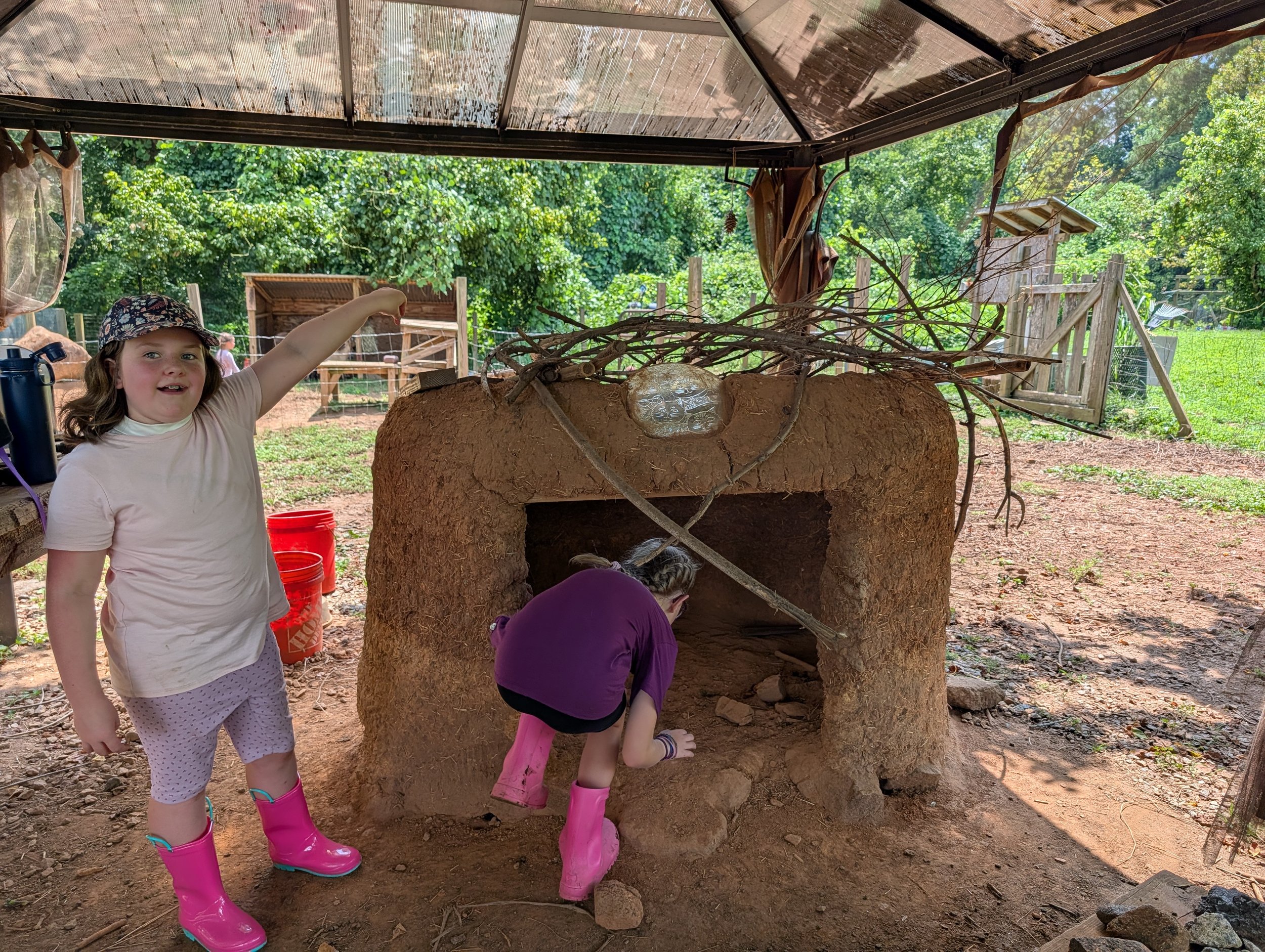
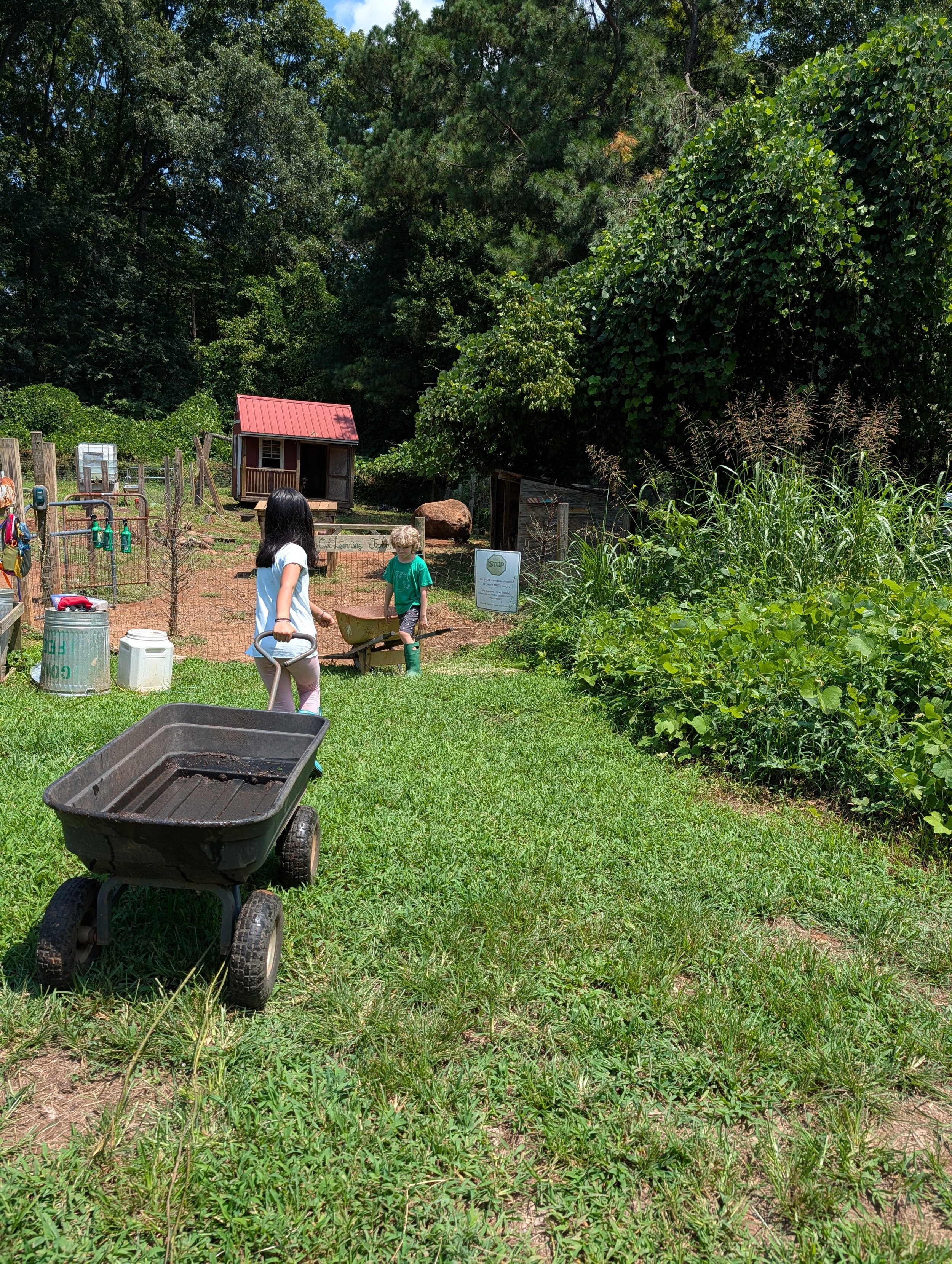
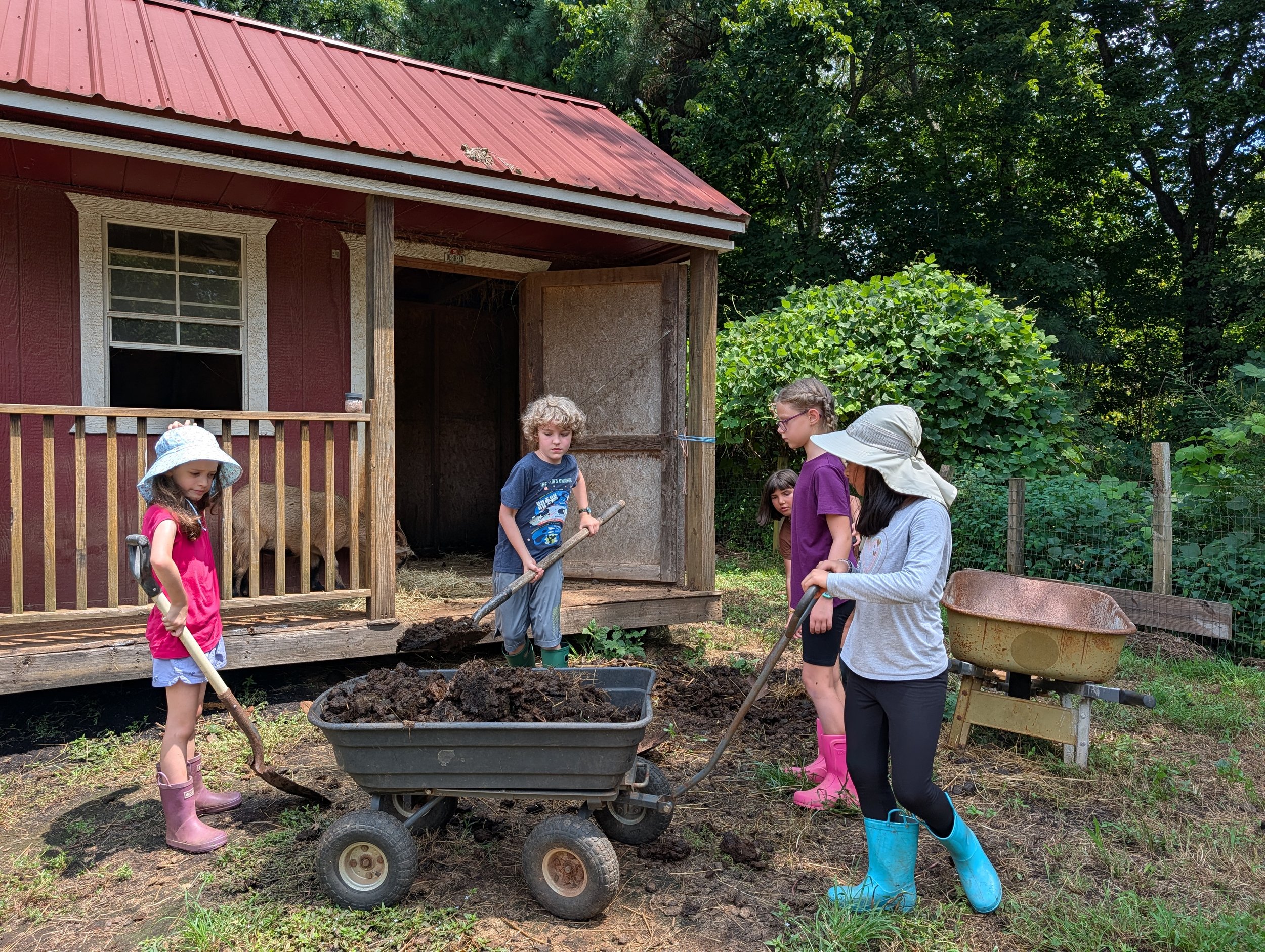
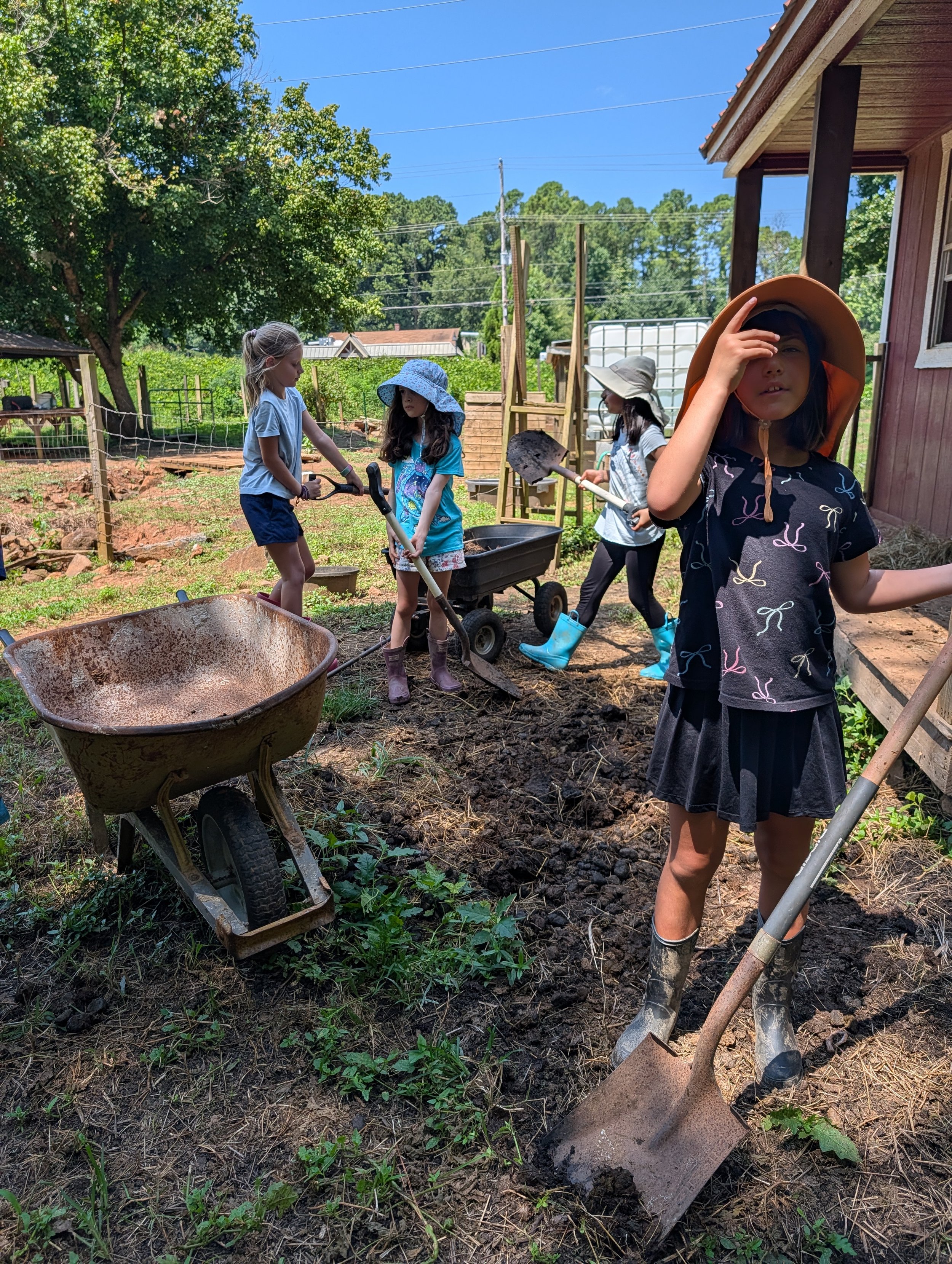
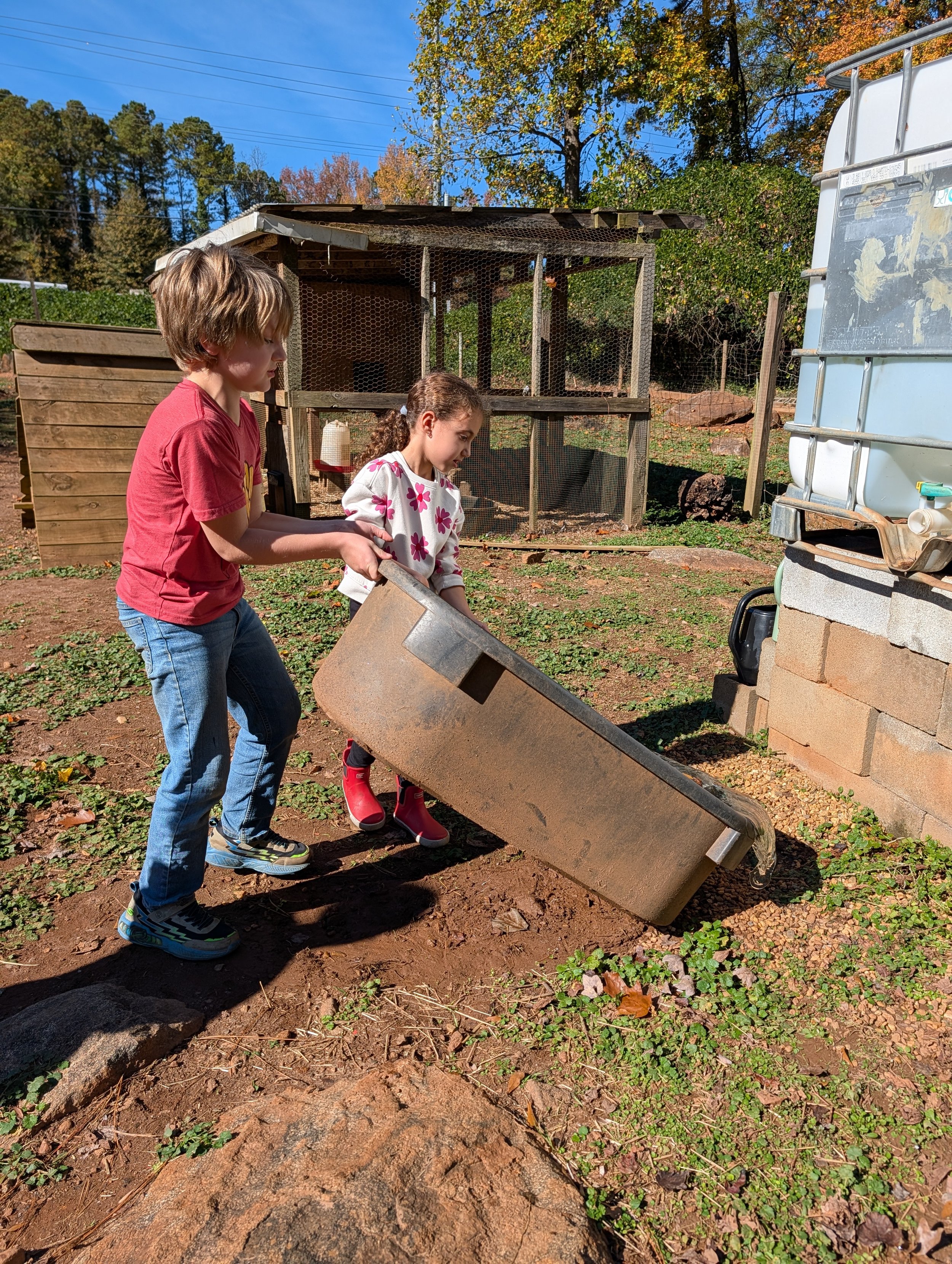
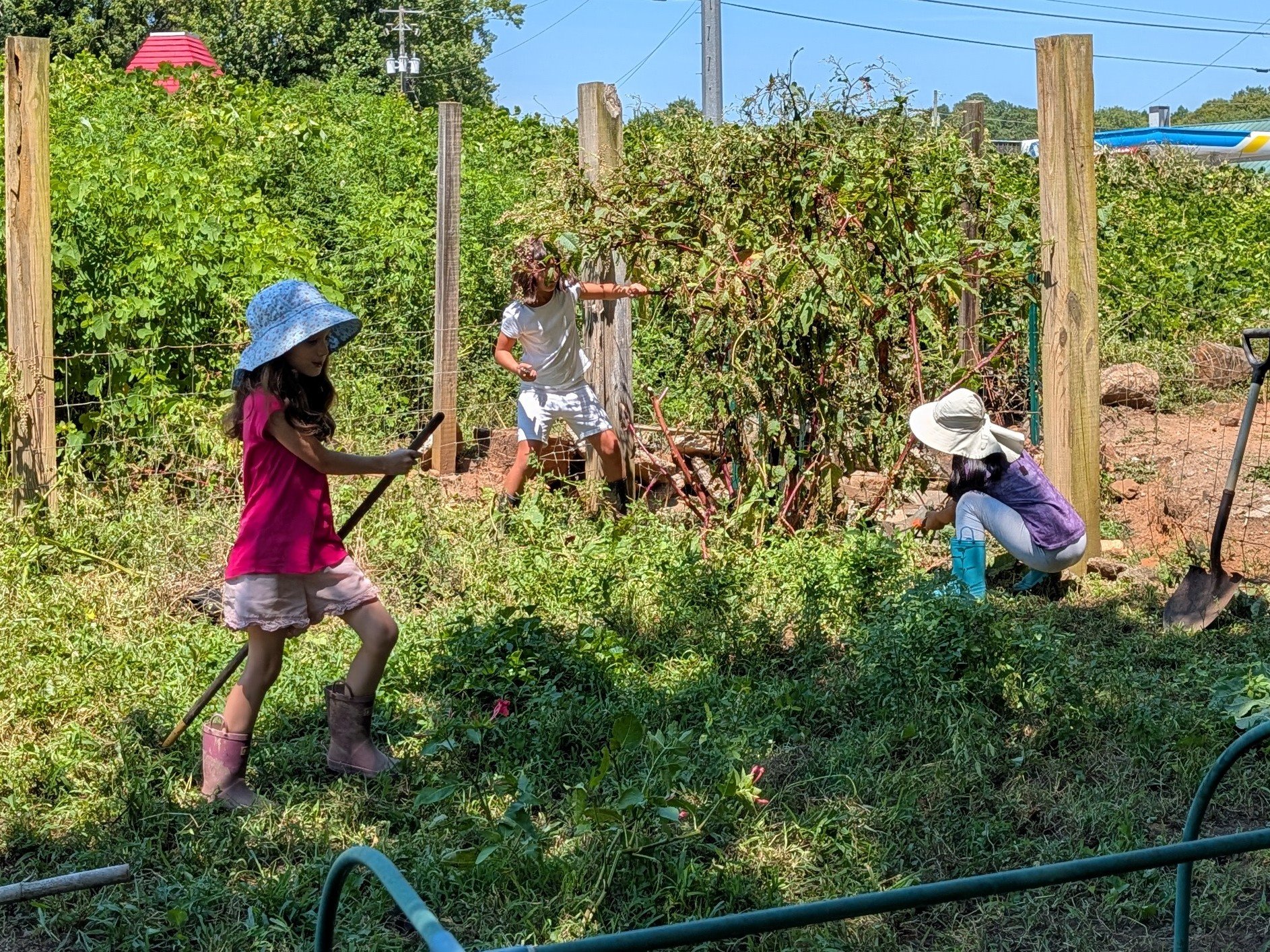
In the Third Grade Farming block, students experience the rhythm of the seasons with their whole bodies and all of their senses. Working together on cooperative farm and garden tasks, they learn that growing food is the result of patience, weather, community care, and human efforts, along with experiencing the work it takes to raise and support our animals. By age nine, children have reached a stage of life where they are stepping out of their imaginations and becoming more present in the practical physical world. This active stewardship anchors the Third Grader in a profound way as they realize: I am capable, I can work with my hands, and I am a meaningful part of this world.
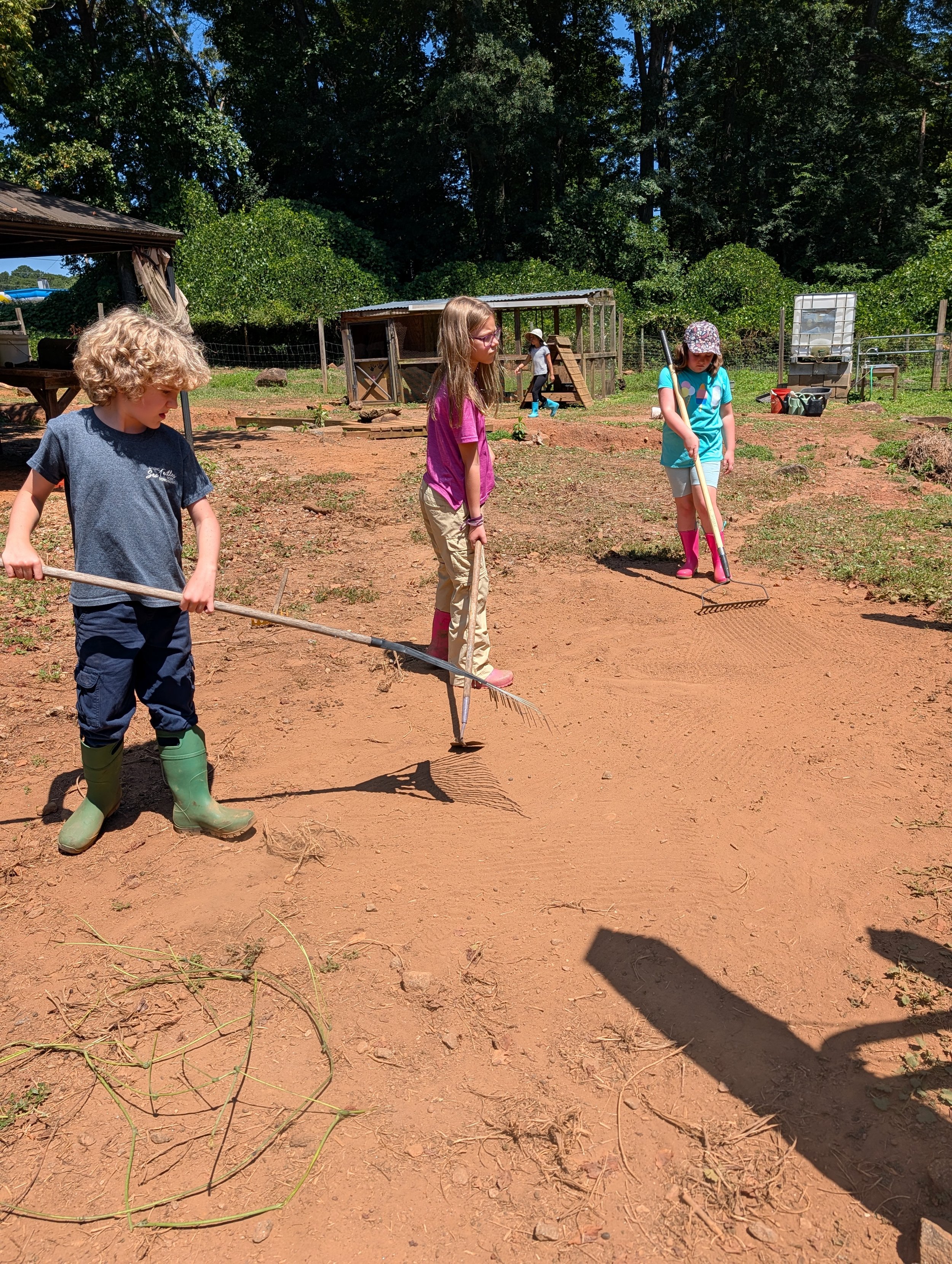
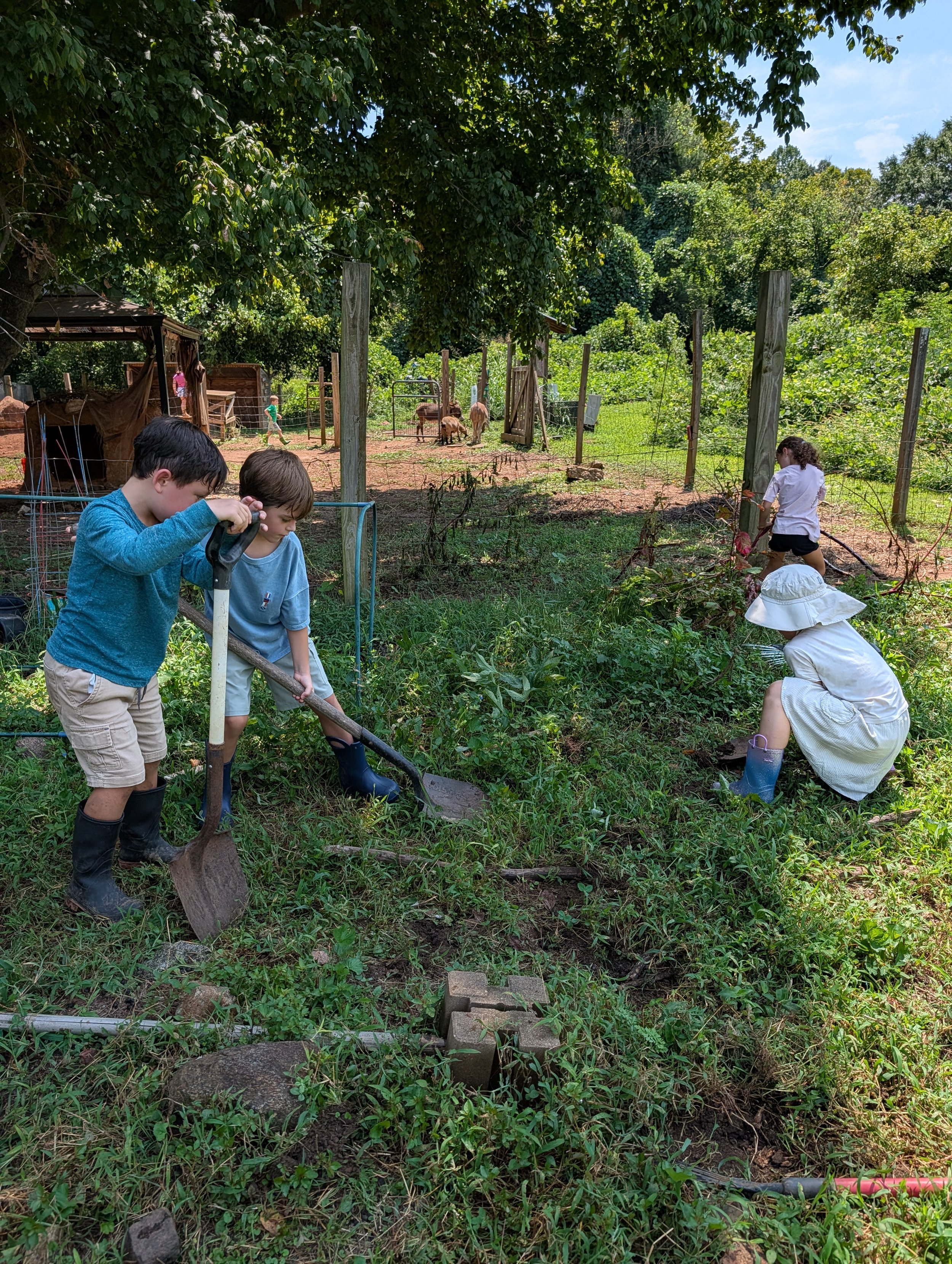
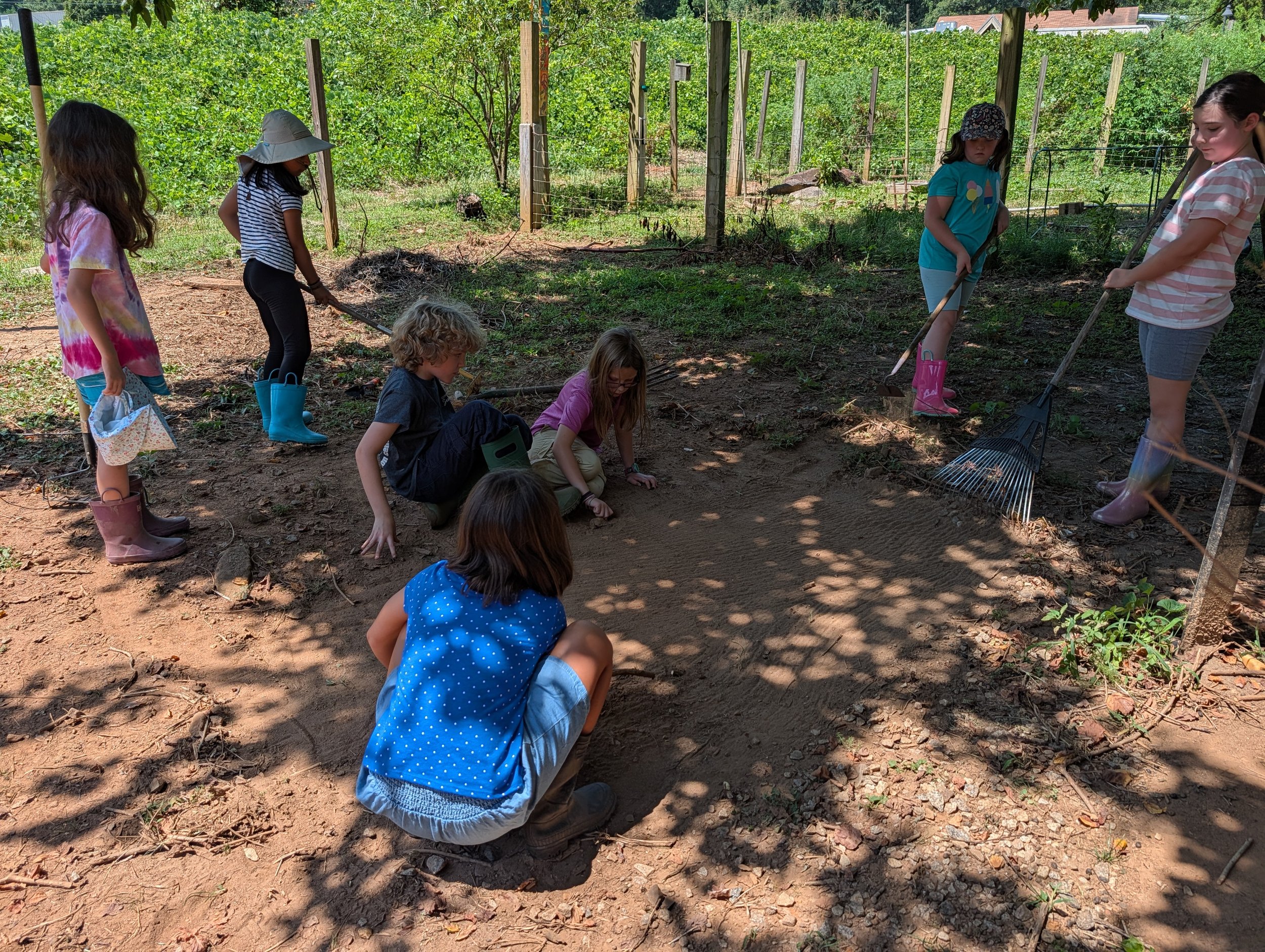
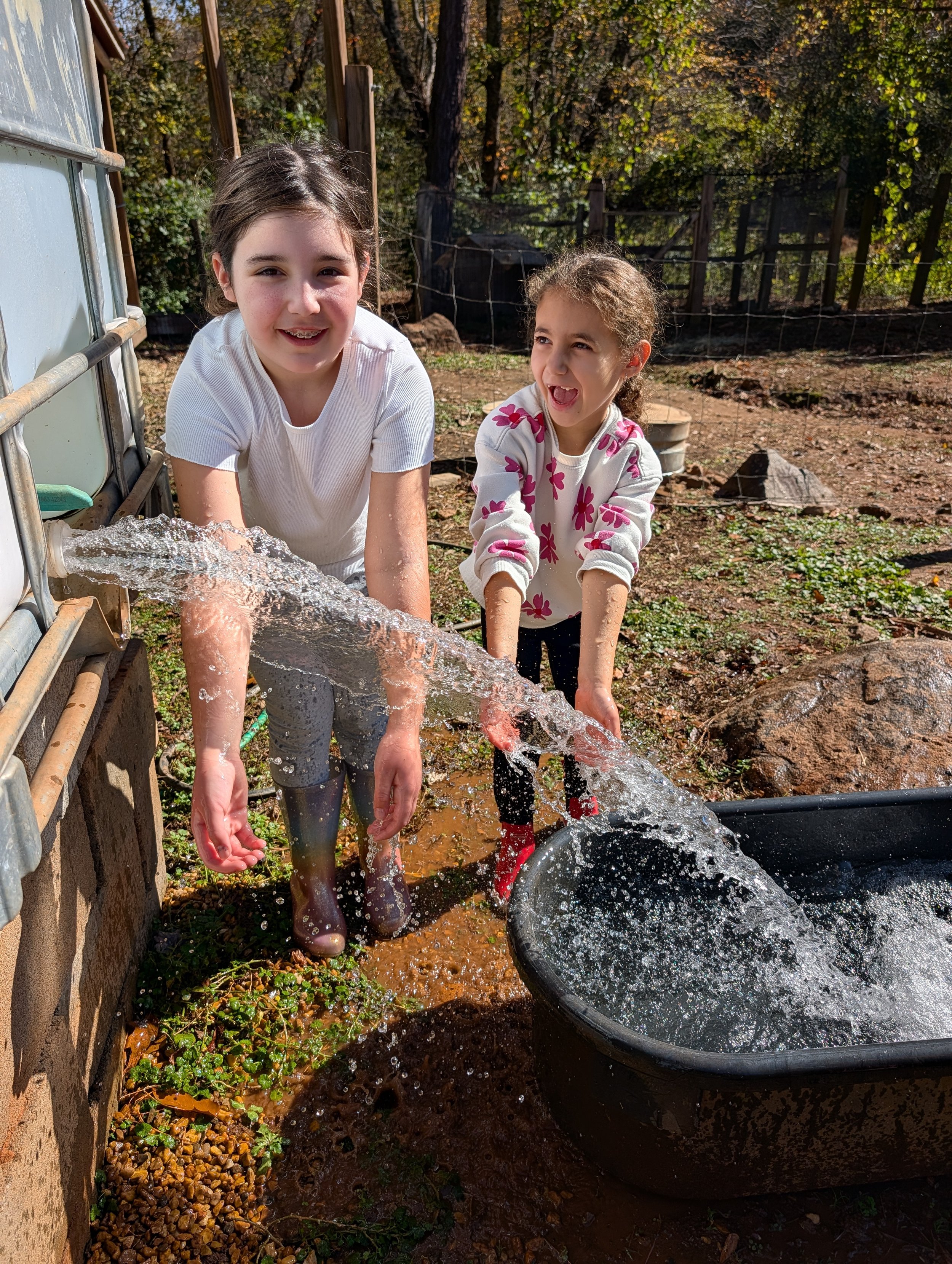
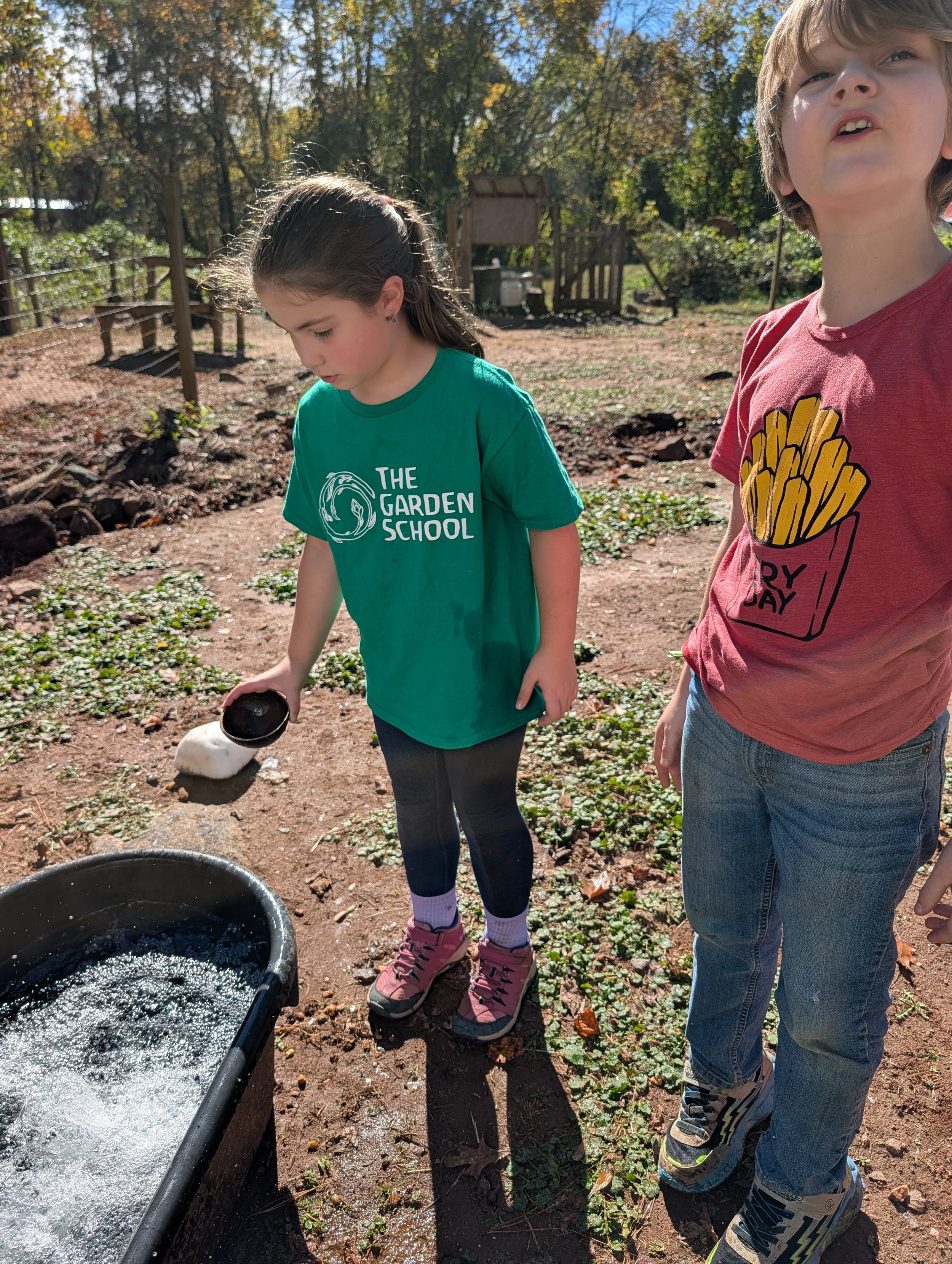
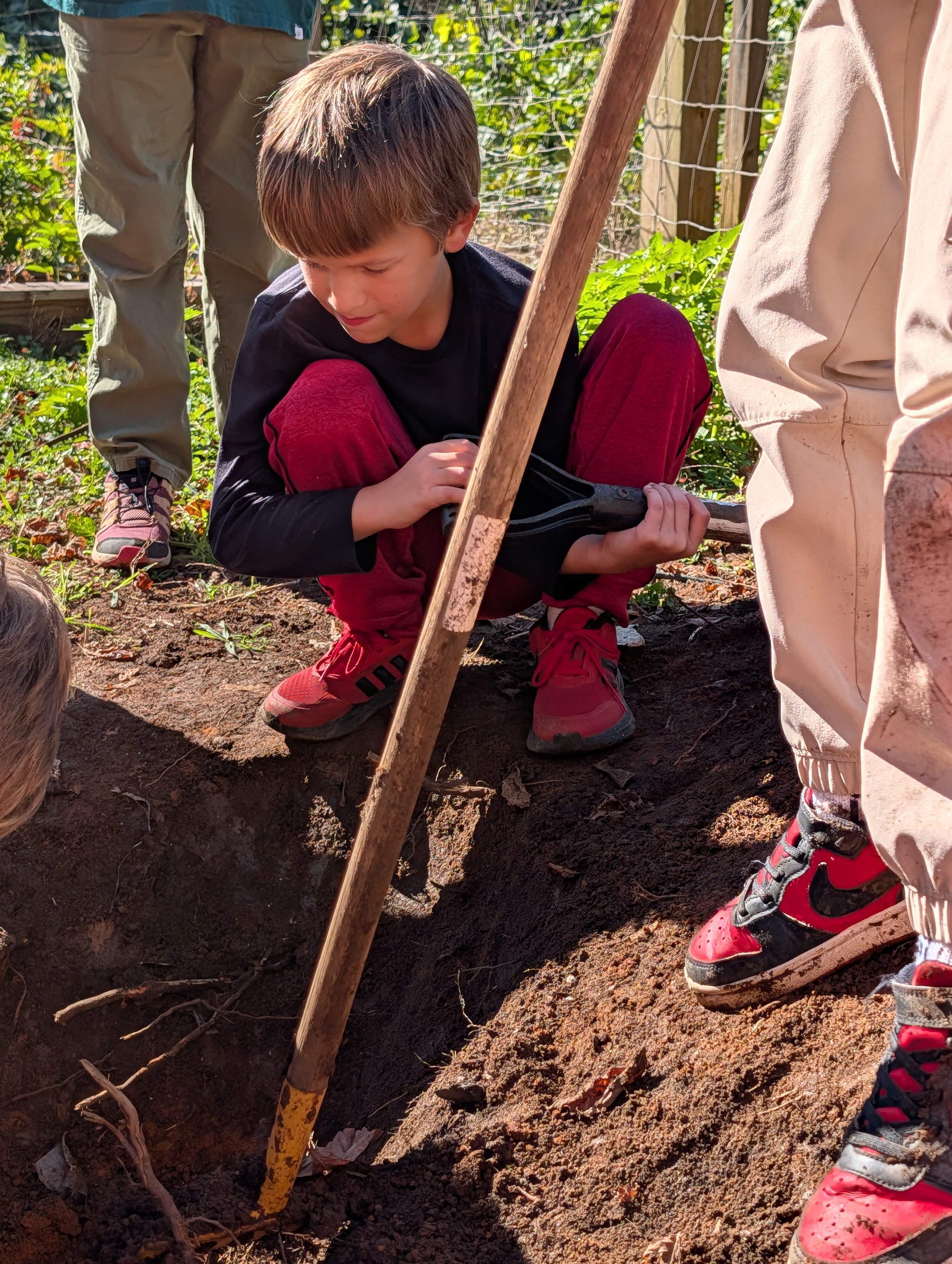
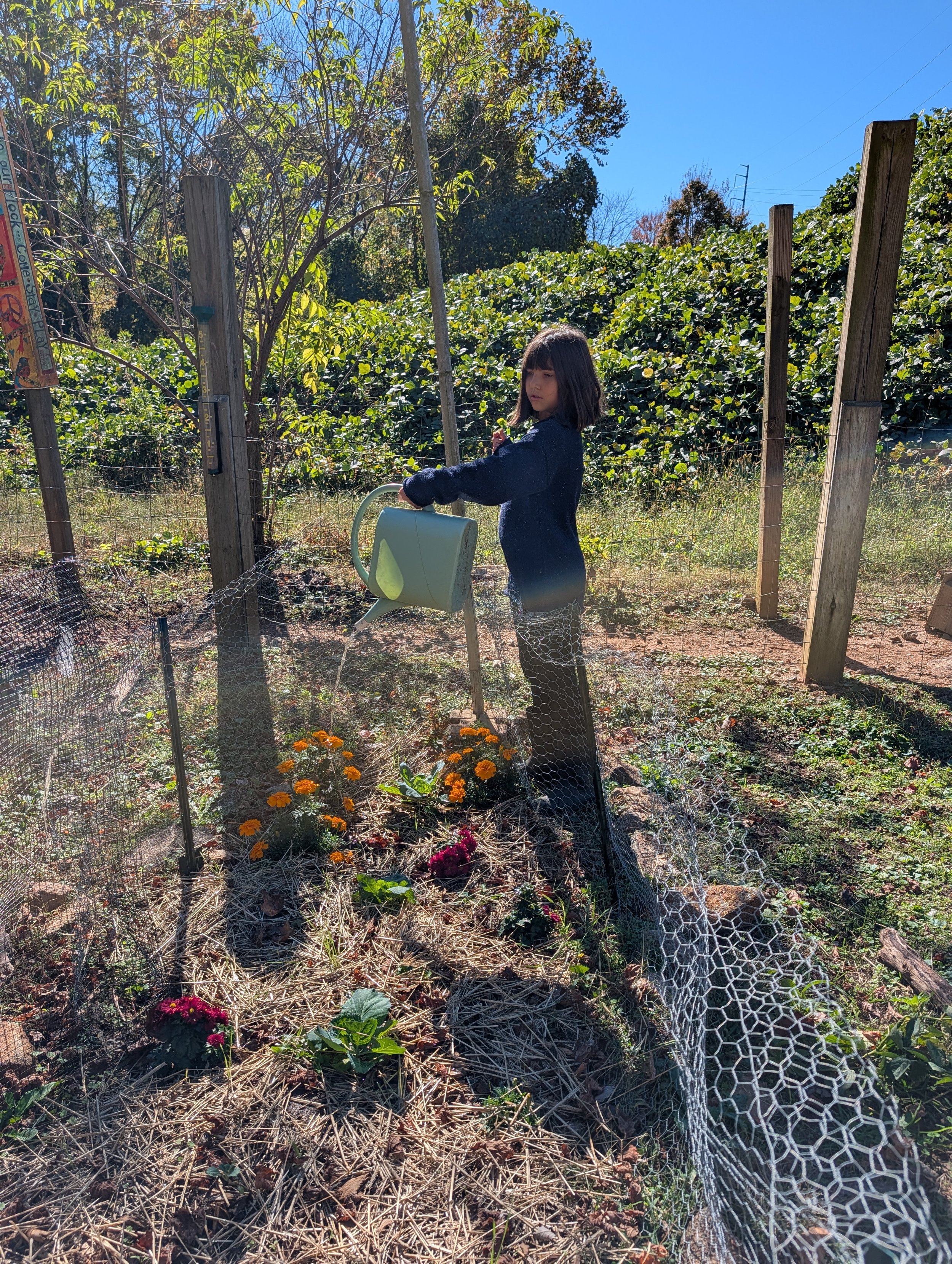
In Second Grade, the students visit the farm once per week to get a taste of what being a Third Grader “in charge of the farm” is all about. The Second Graders begin the year with garden work. They learn that a two-gallon watering can weighs 16 pounds at full capacity, and they experiment with their own strength and limitations. The students enjoy the privilege of being entrusted with real tools to dig holes and rake leaves. After some time passes, volunteer Second Graders begin helping the Third Graders with their tasks. The Third Graders enjoy this opportunity for helpers to do the hard parts while they take the lead in guiding their younger classmates. As the Second Graders feel ready to do more challenging work, they will be invited to try the regular Third Grade farm chores to prepare for next year’s new responsibilities.
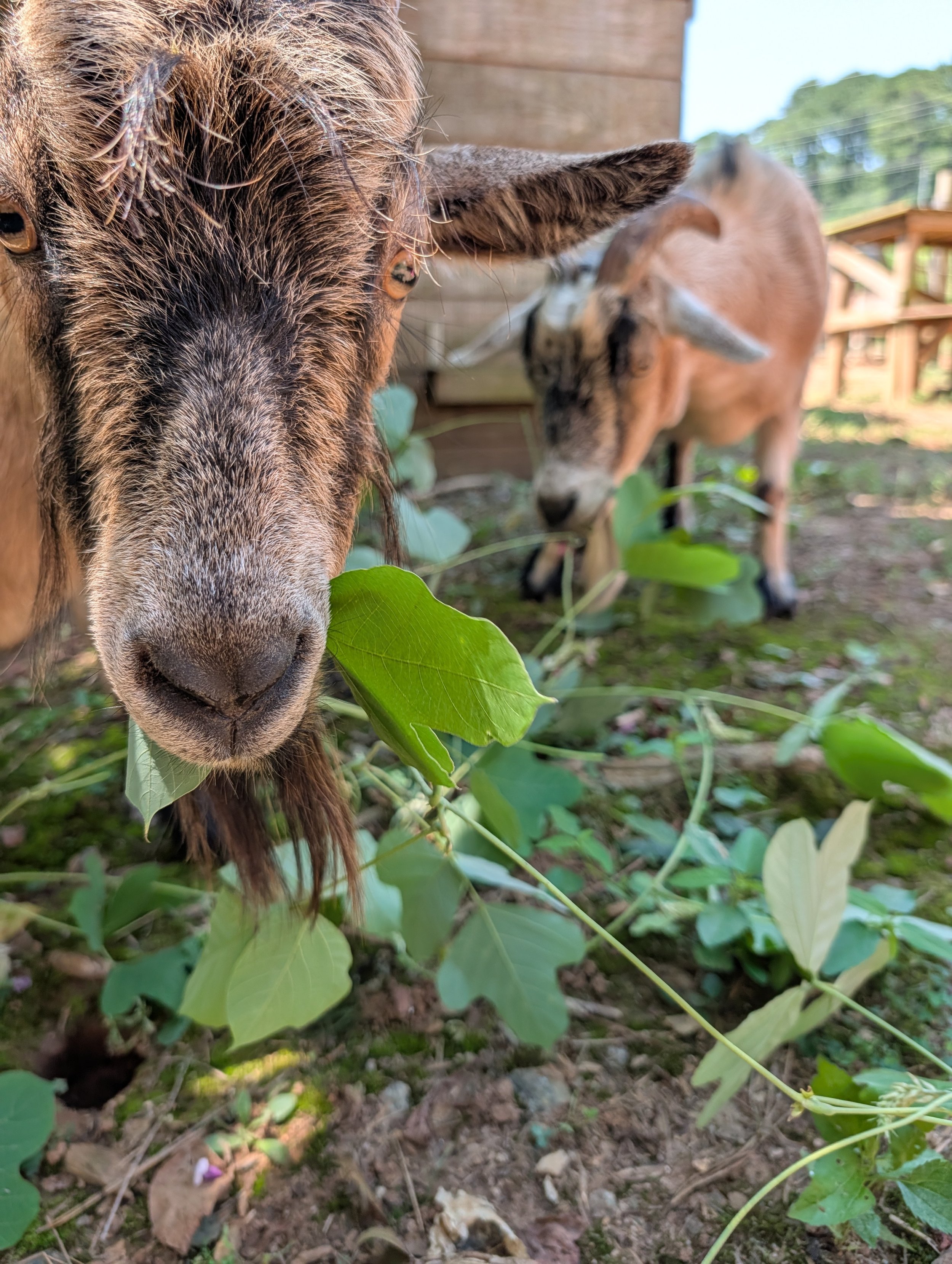
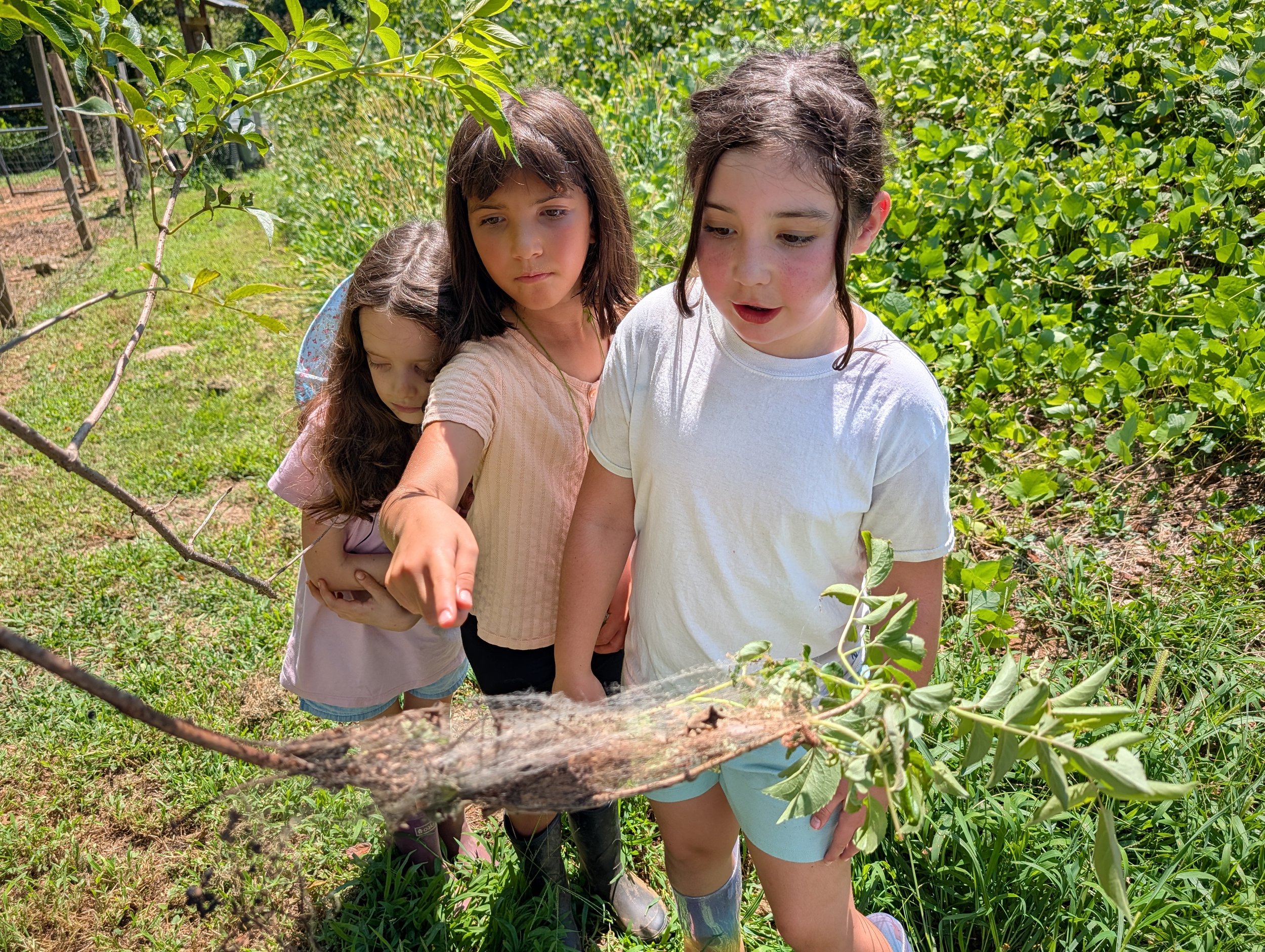
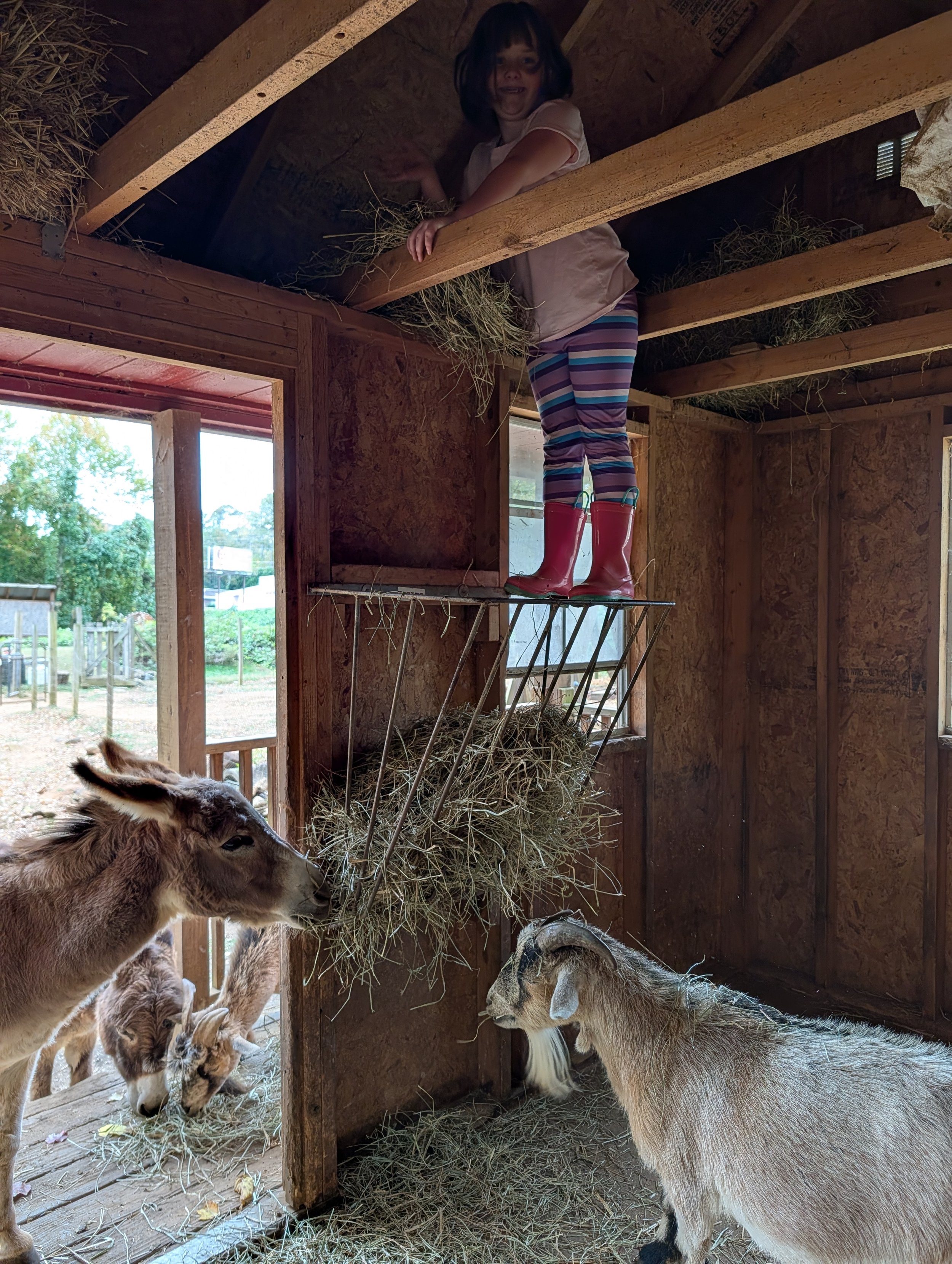
Students have been fertilizing the back pasture with compost and seeding fescue for winter forage. They have observed the life cycle of summer plantings into fall and experienced harvesting some small crops, usually sharing them with our donkeys, goats, and chickens. One of the more favored jobs right now is animal enrichment. Students often choose to set up hay scavenger hunts for the donkeys and goats to keep the animals’ day interesting.
Farm block takes place throughout the winter, and layers will be very necessary to keep warm! The sun shines brightly on the pastures, but ears and hands do get quite cold. Individual families may want to consider a separate pair of winter gloves for farm chores for sanitary reasons, although students often end up taking their gloves off. Please keep in mind, there’s no bad weather, as long as you dress for it!
Til next time,
Ki Heidi