Specialty Highlight February 2026: Handwork
First Grade:
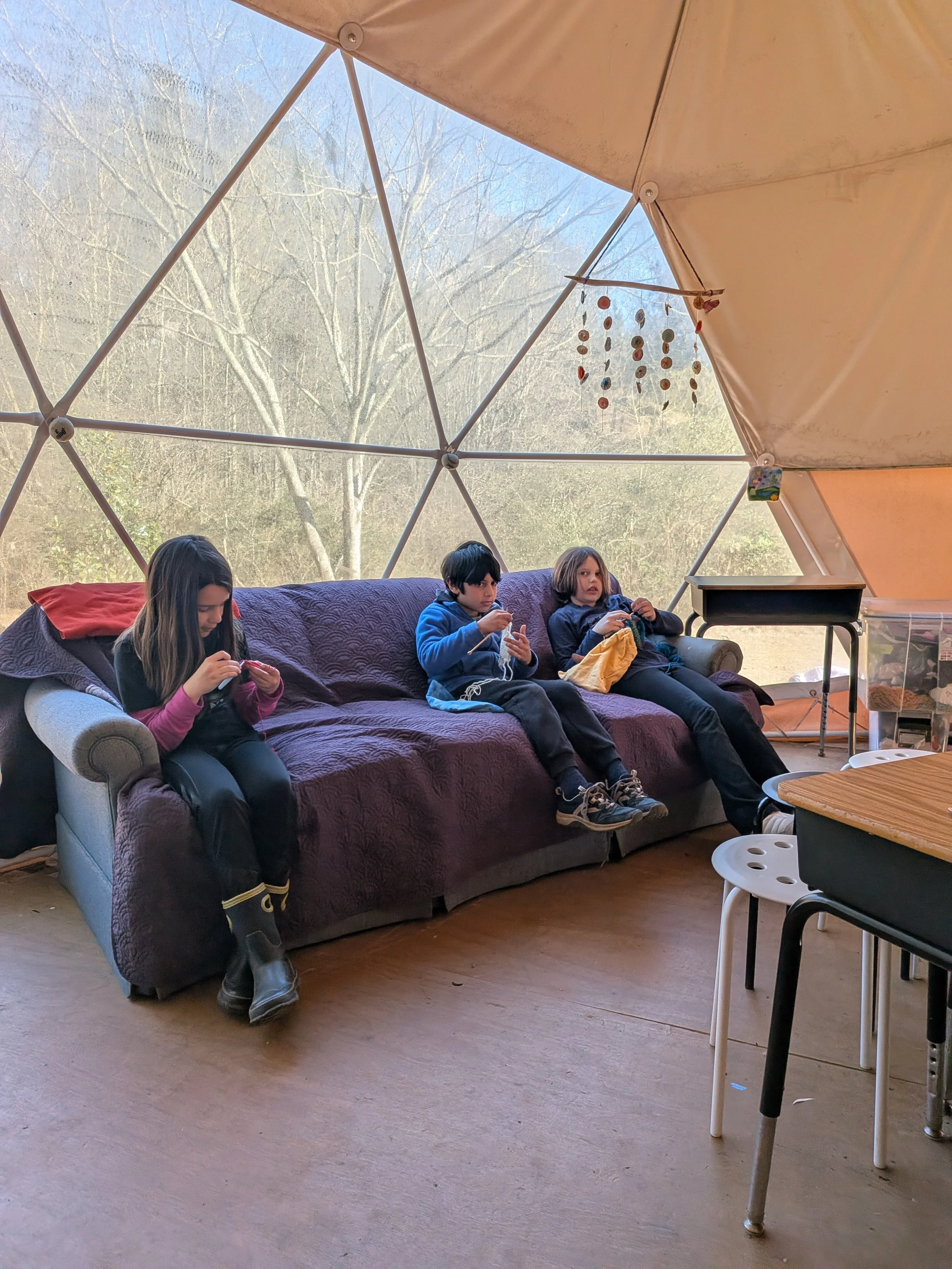
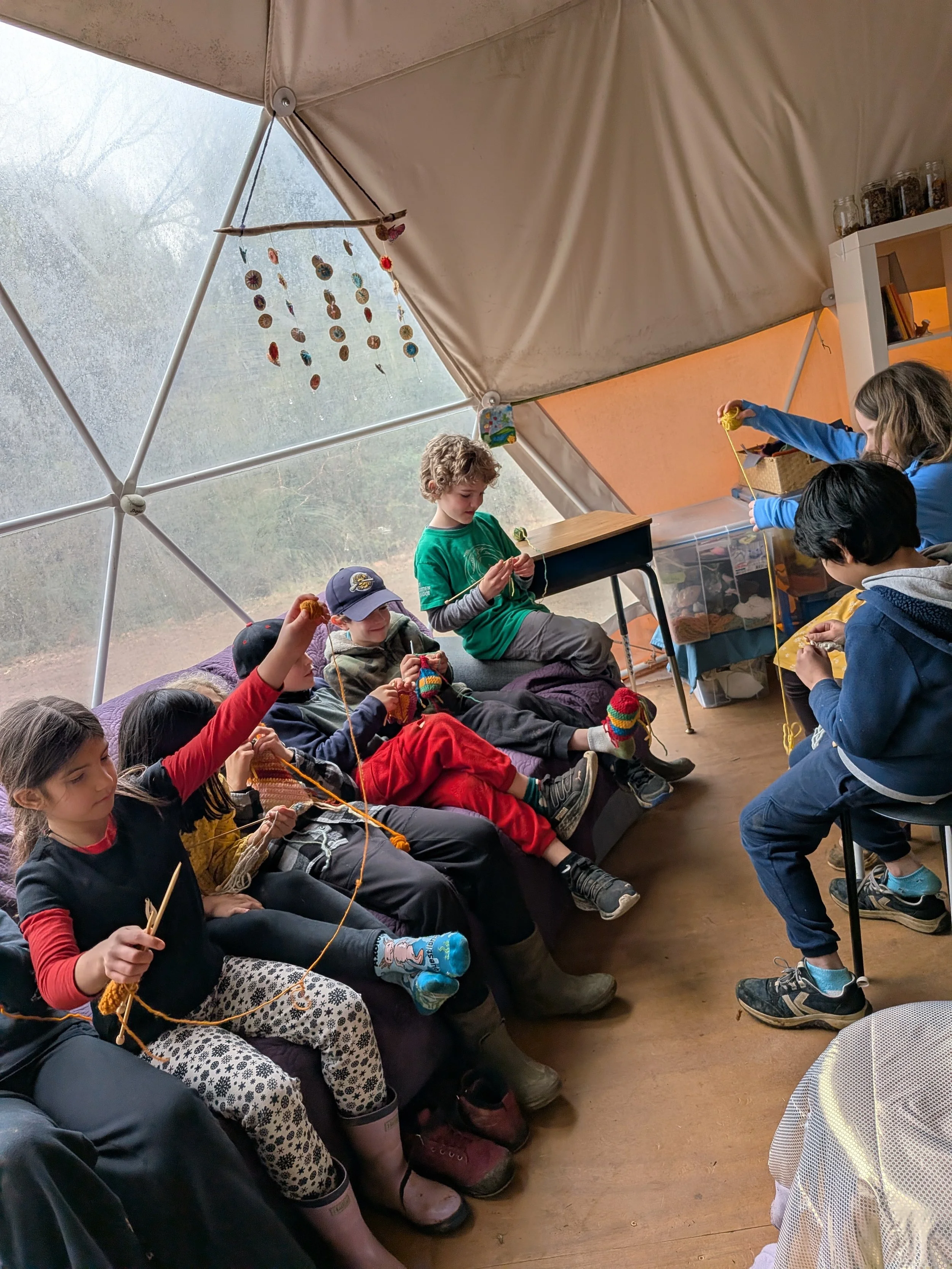
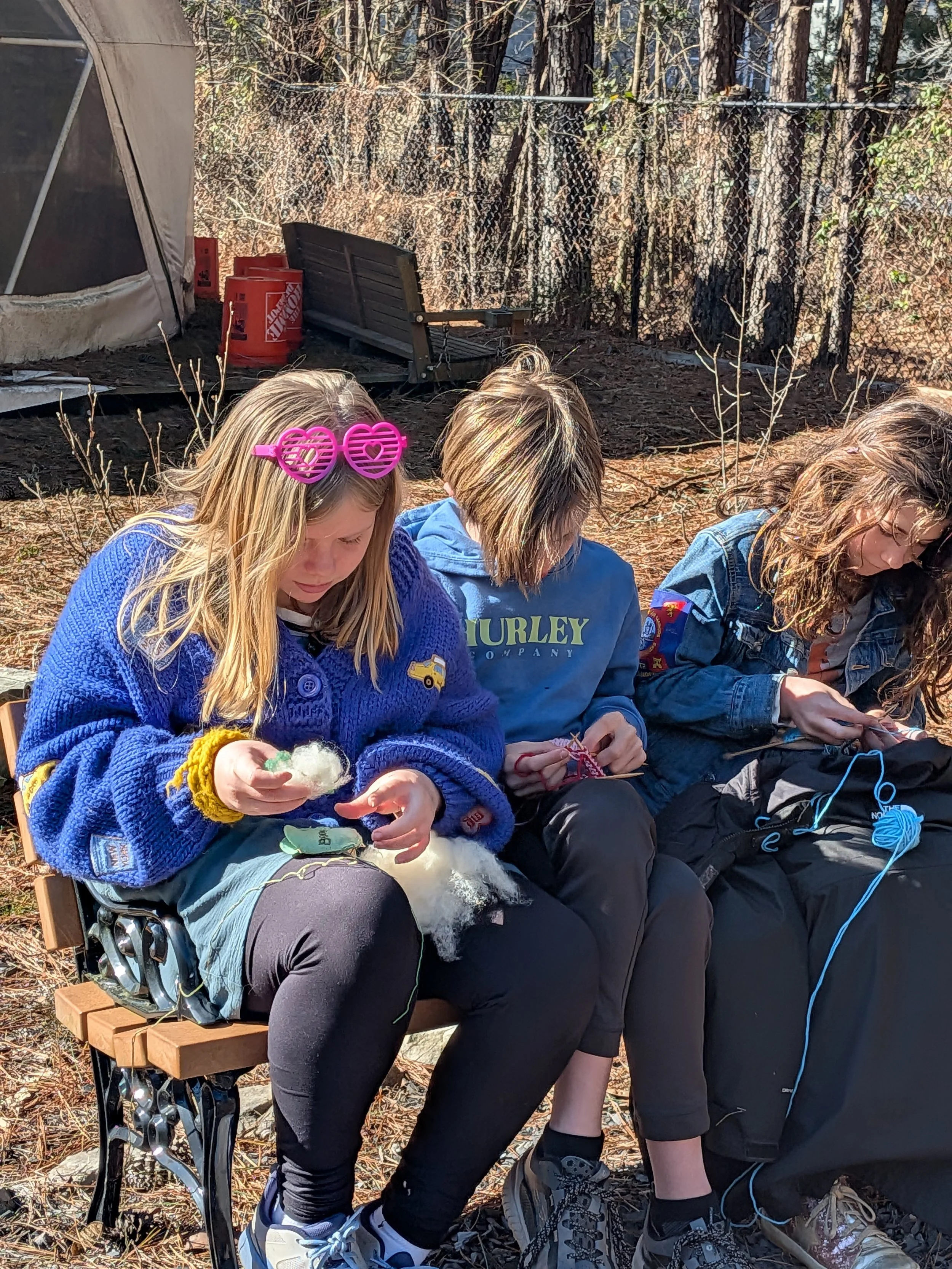
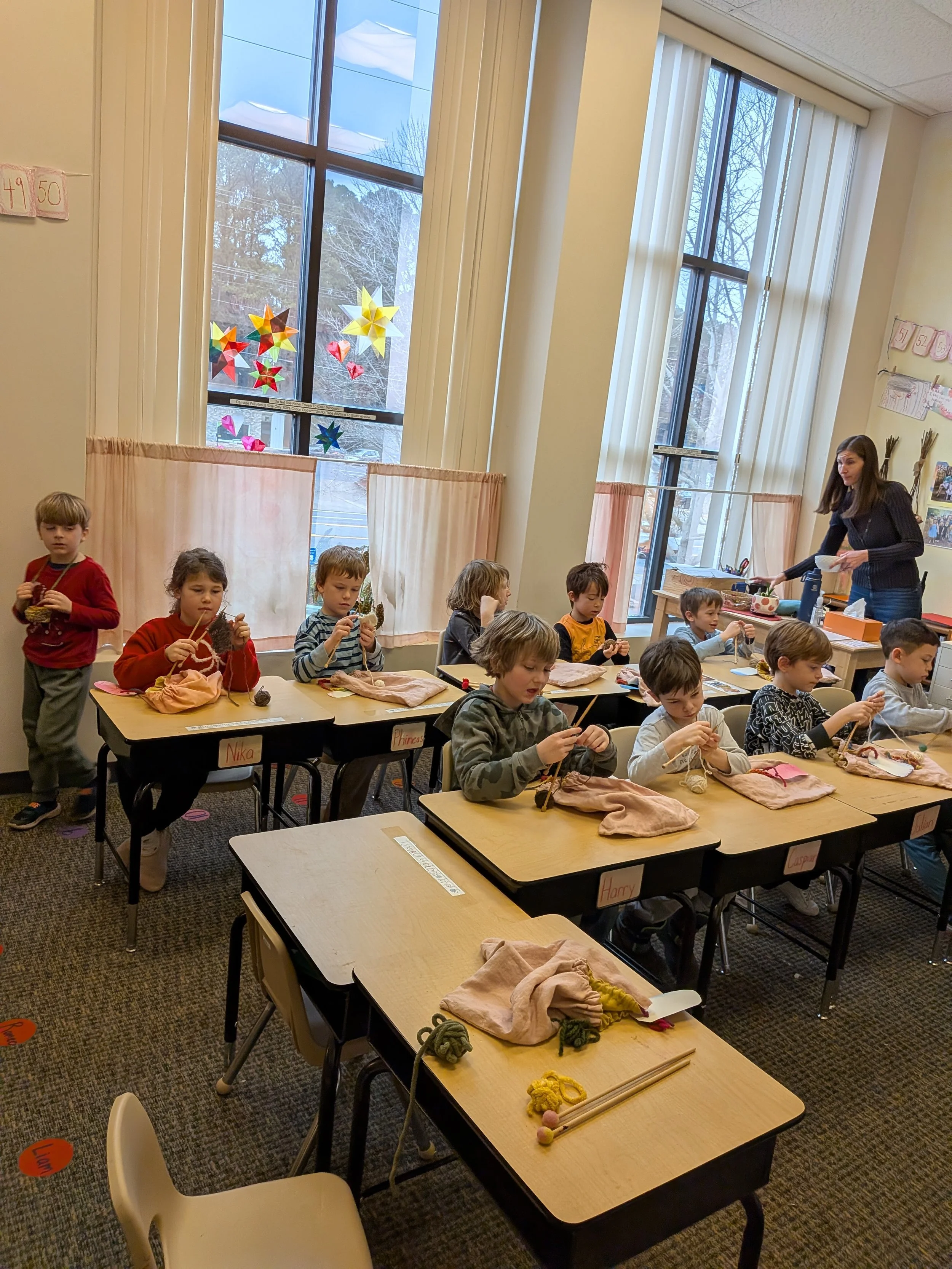
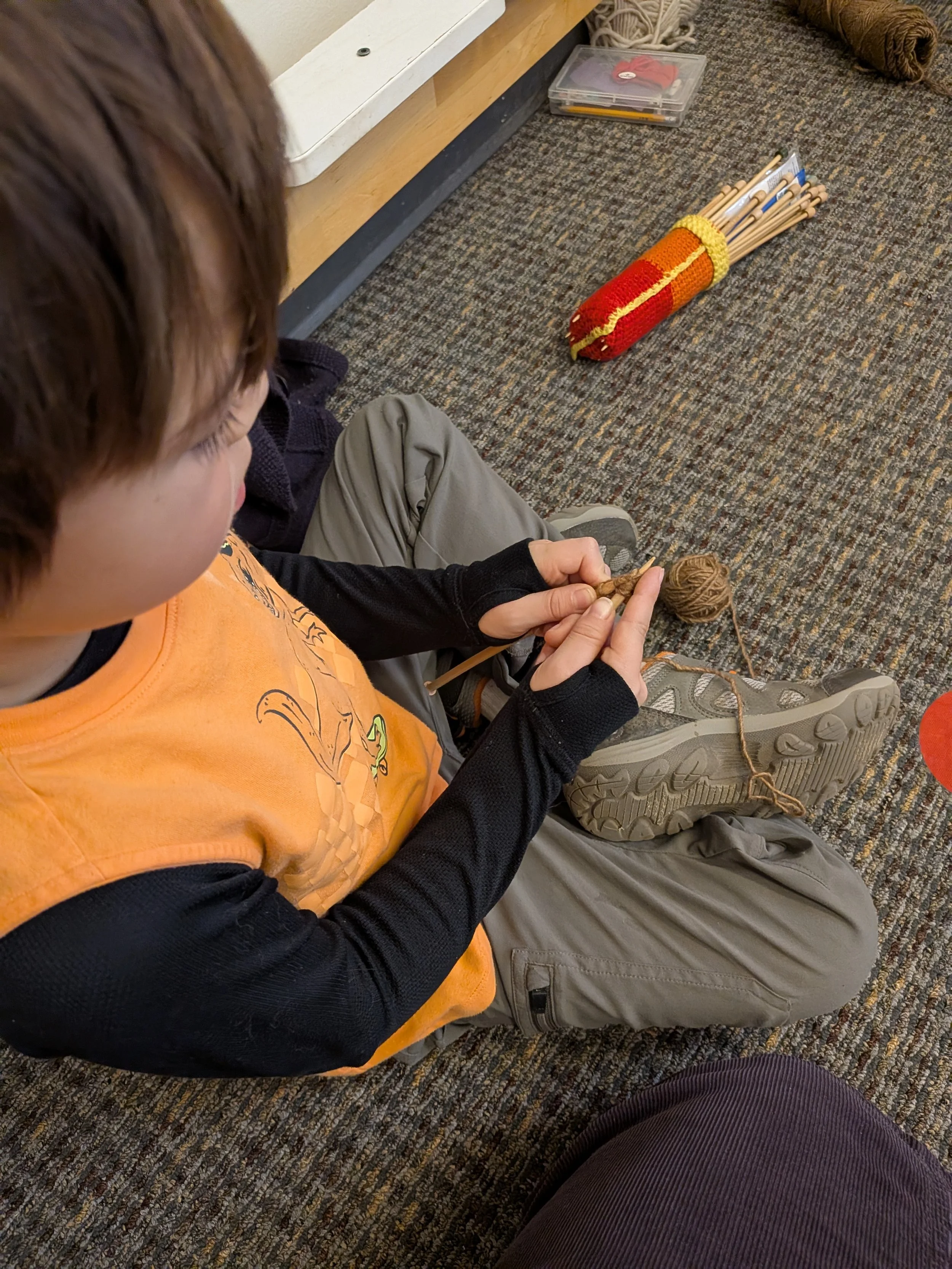
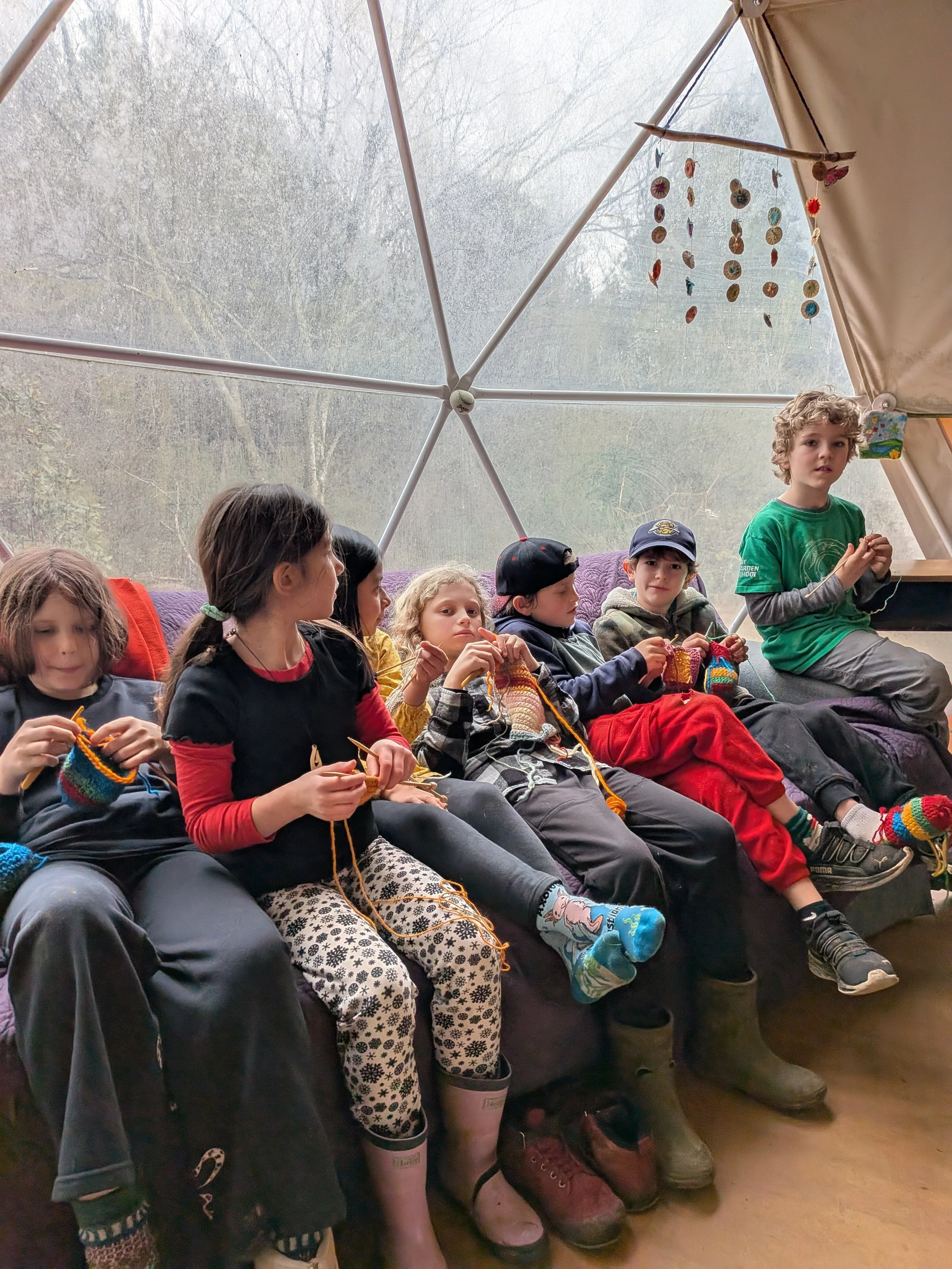
Almost all of the students are knitting now! We are carefully watching to make sure no sheep go missing or wander into a neighbor’s pasture (in this case, “sheep” are the stitches on the needles). I always smile when a student asks, “How did I get this neighbor’s sheep?” or “Where did my sheep go?” after dropping a stitch.
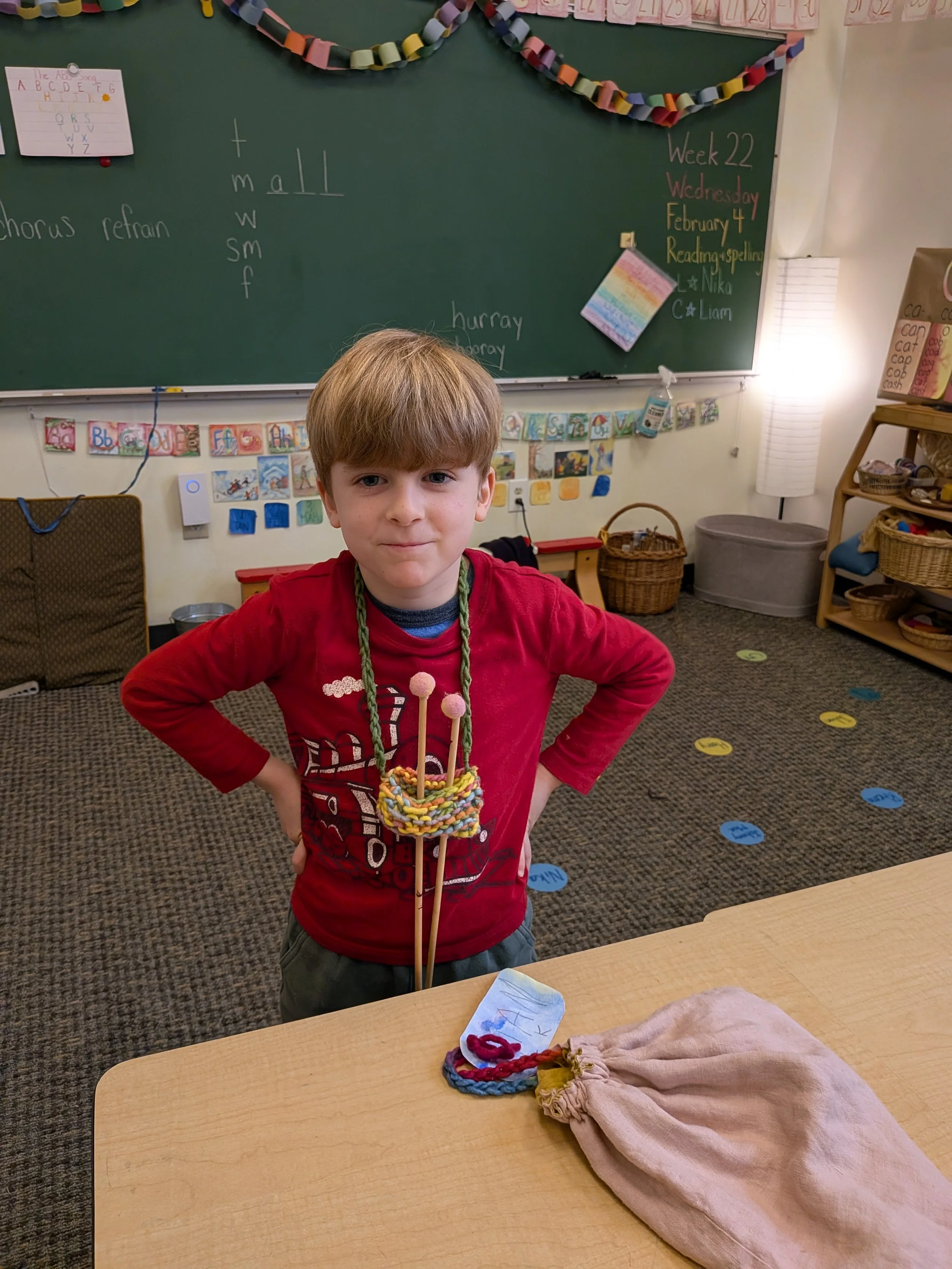
The students are finishing their first knitting project: a little pouch. This week, our middle school students will visit our handwork class to gift each first-grader a small pocket baby for their first project. It has become a school tradition—older students create something special for the First Graders’ very first knitting project.
Second and Third Grade:
The Second and Third Graders are hard at work!
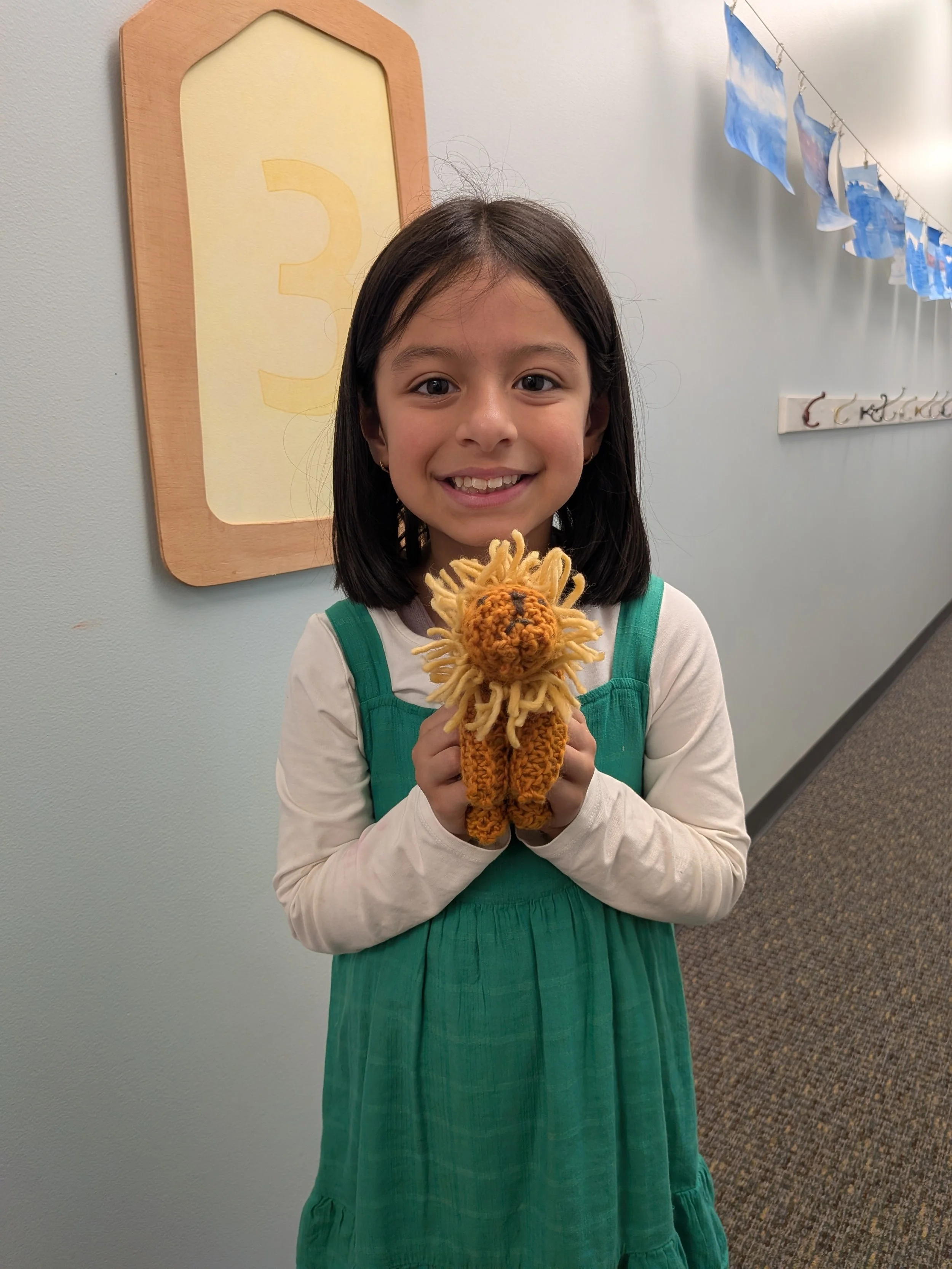
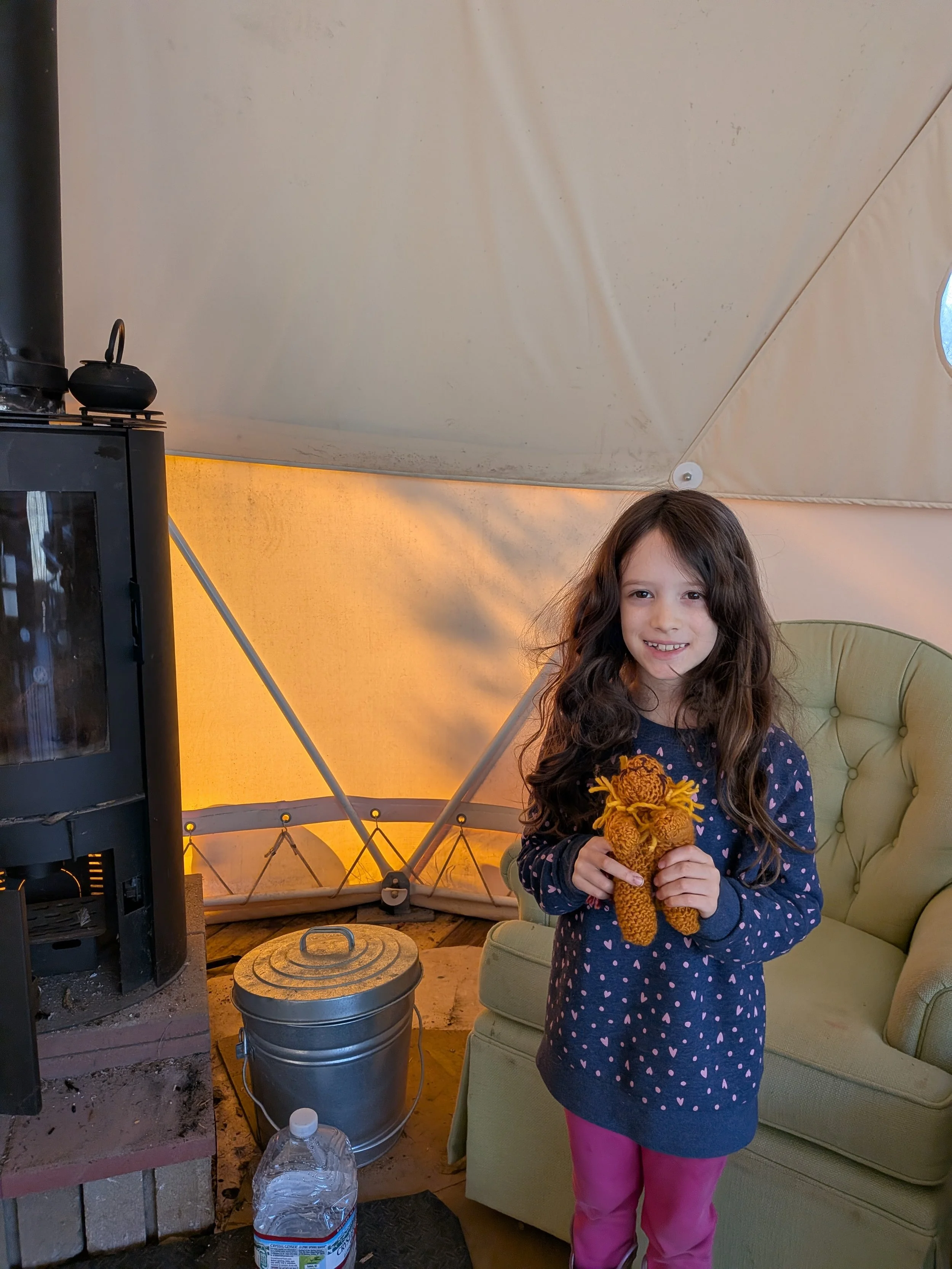
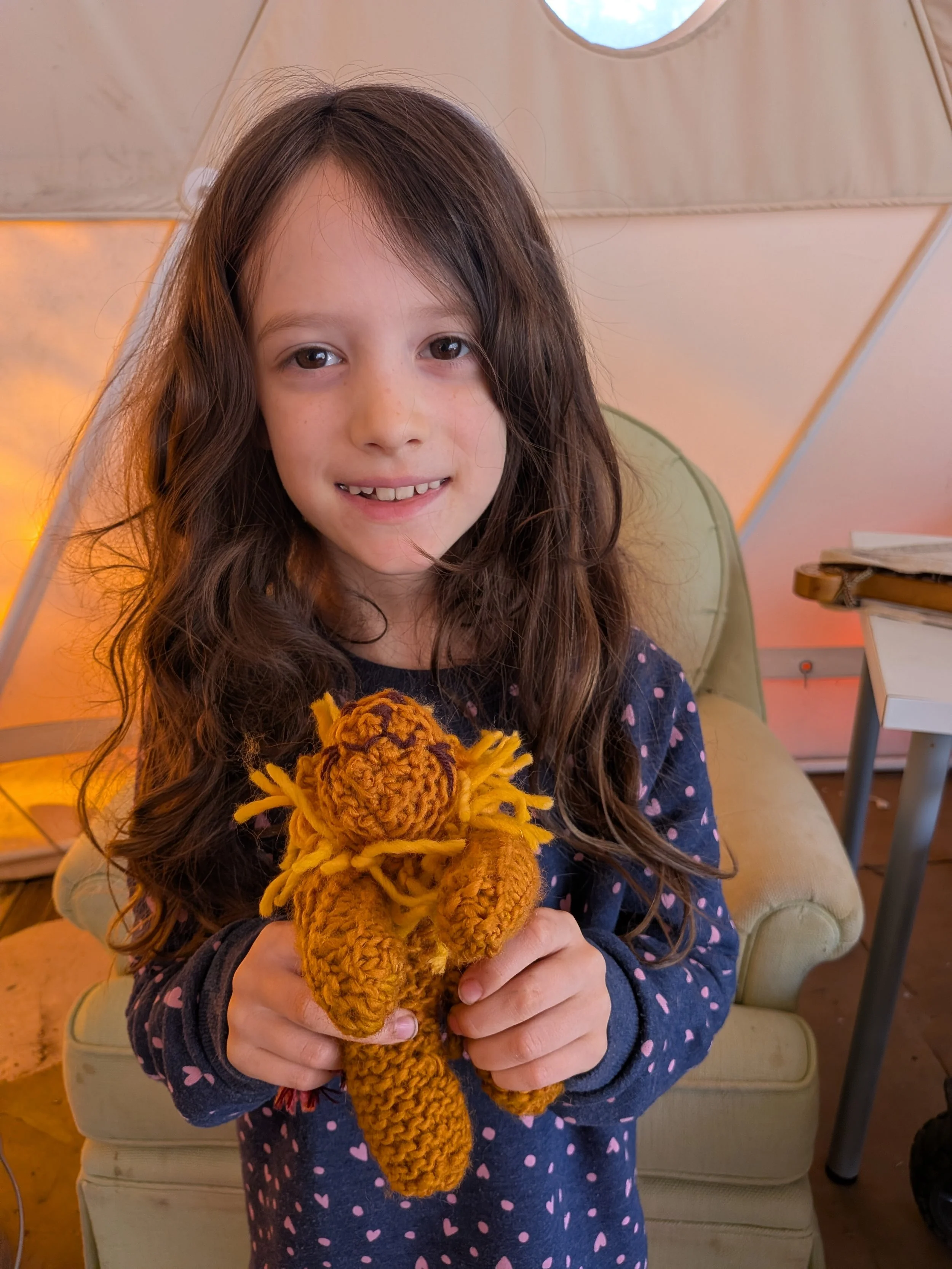
The Second Graders are excitedly finishing their four-legged animals—sheep, lion, and cat—and for the first time, one student made a fossa.
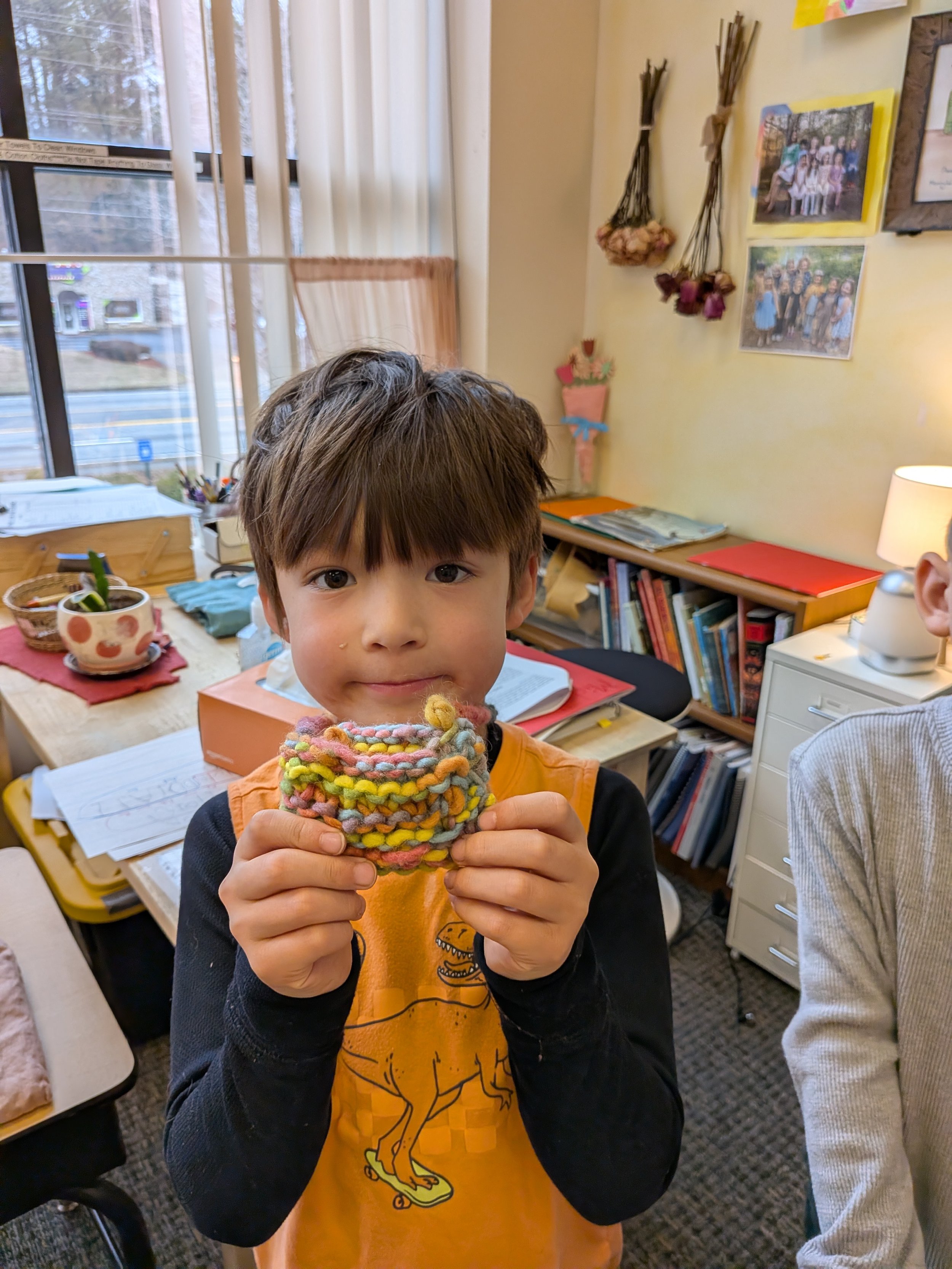
For our gnome projects, students are learning both the knit and purl stitches. They can now see how alternating rows of knit and purl create a noticeable difference in texture.
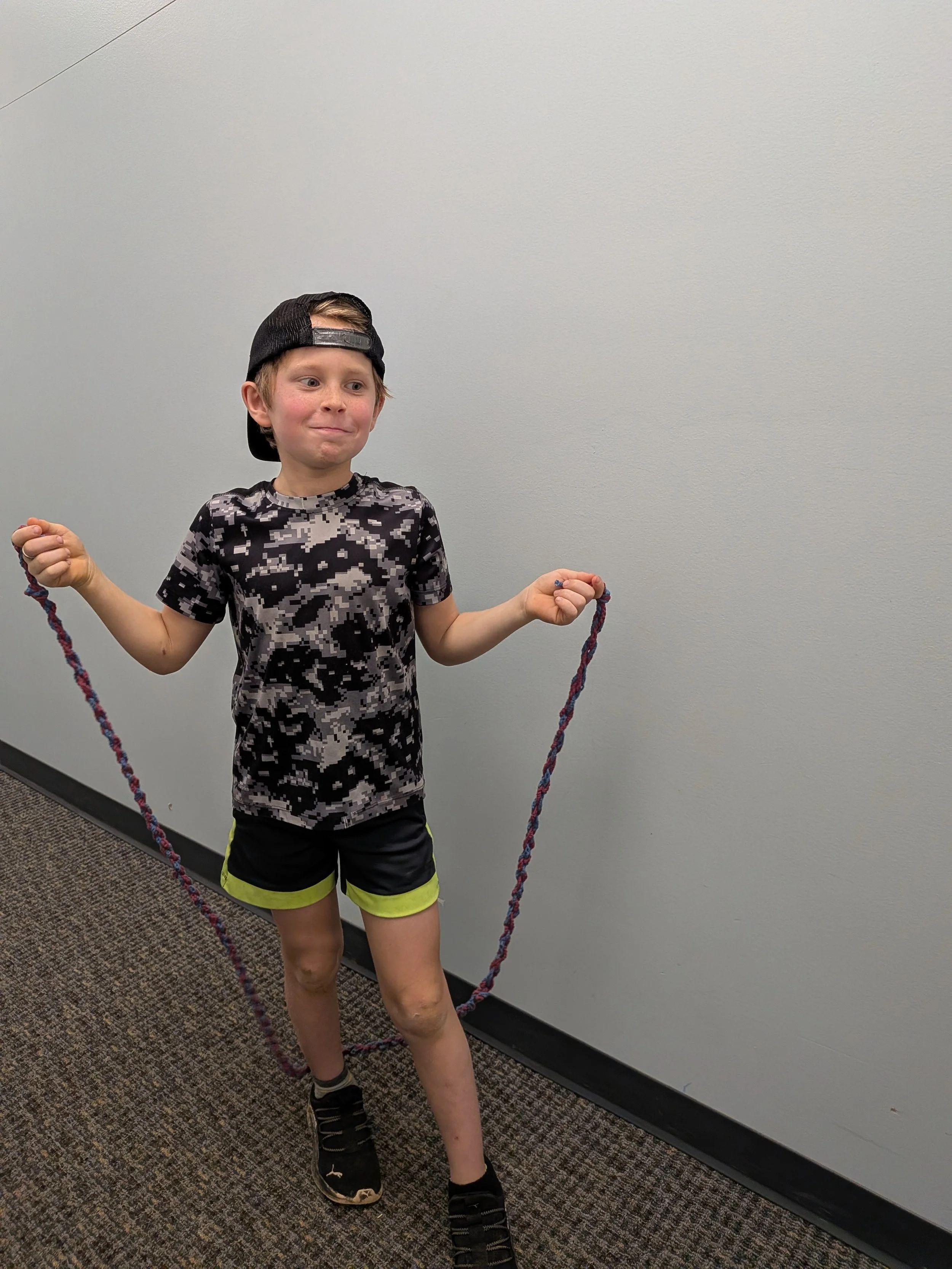
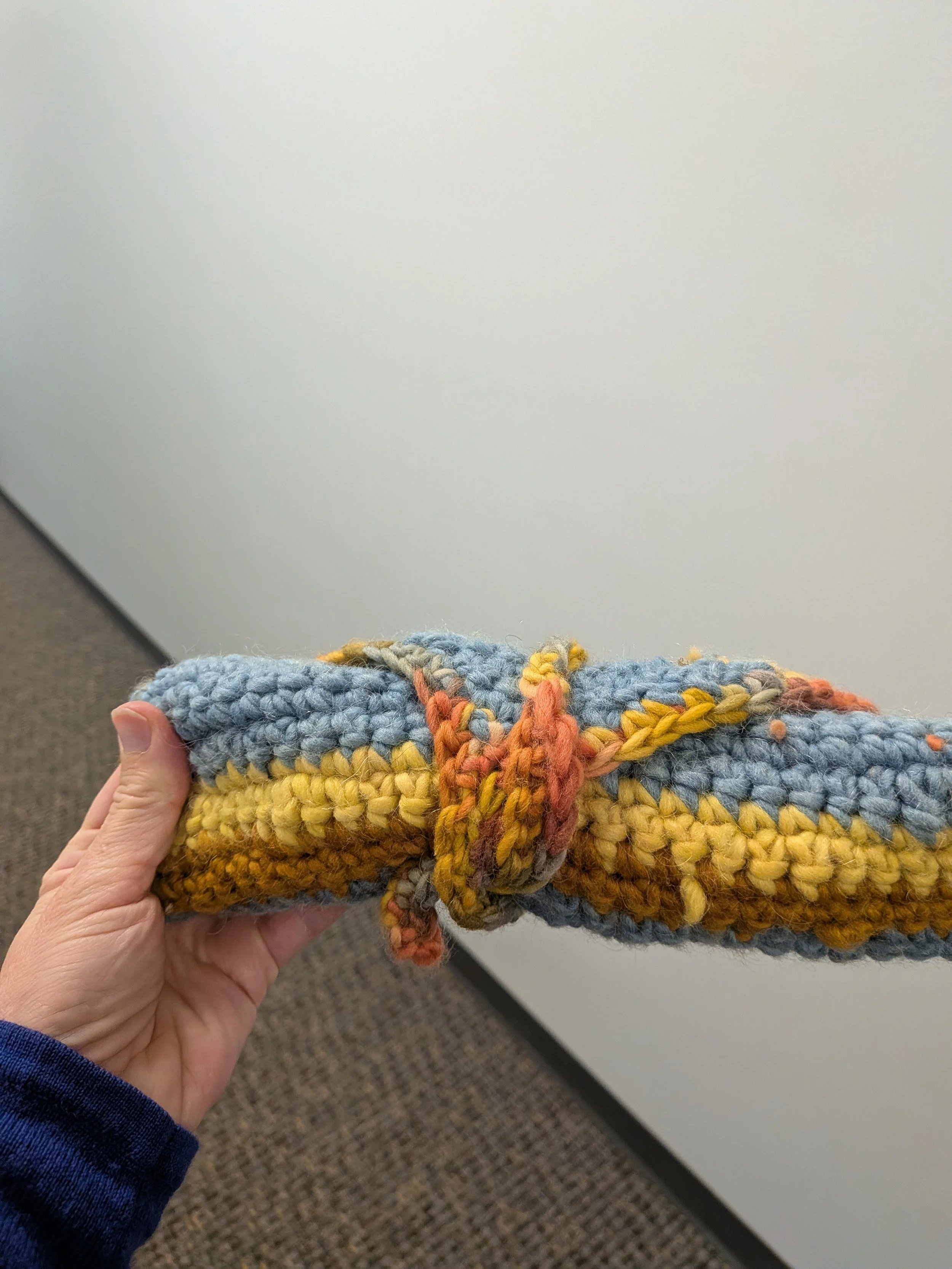
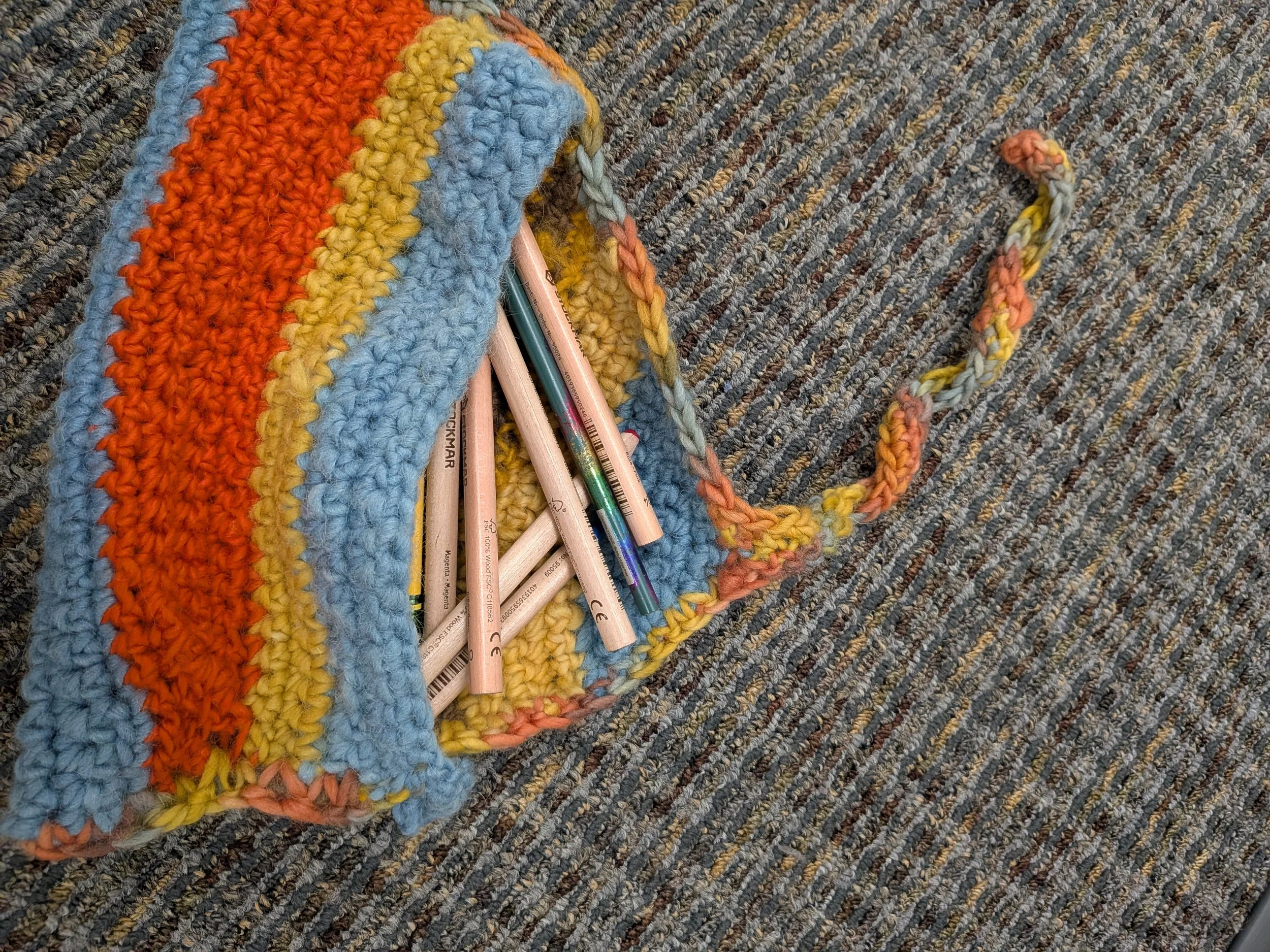
Most Third Graders are crocheting circular projects. Each student works at their own pace, progressing through projects such as cup coasters, pencil cases, water bottle holders, hats, and slippers.
In March, we will focus on our auction project.
We took a break from our main projects while all students worked on a Chinese New Year puppet show. Each student created an animal and helped classmates complete theirs.
Fourth Grade:
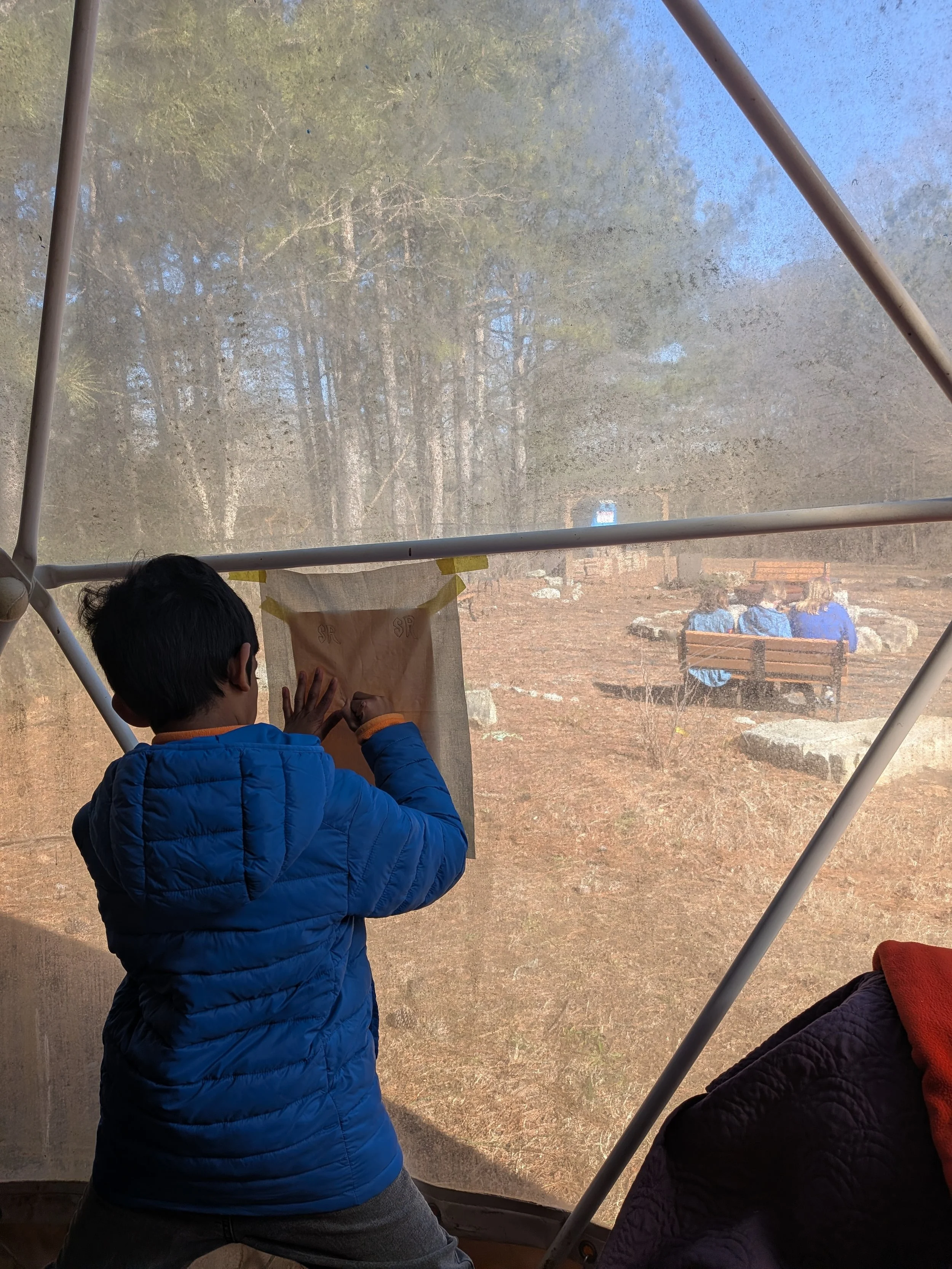
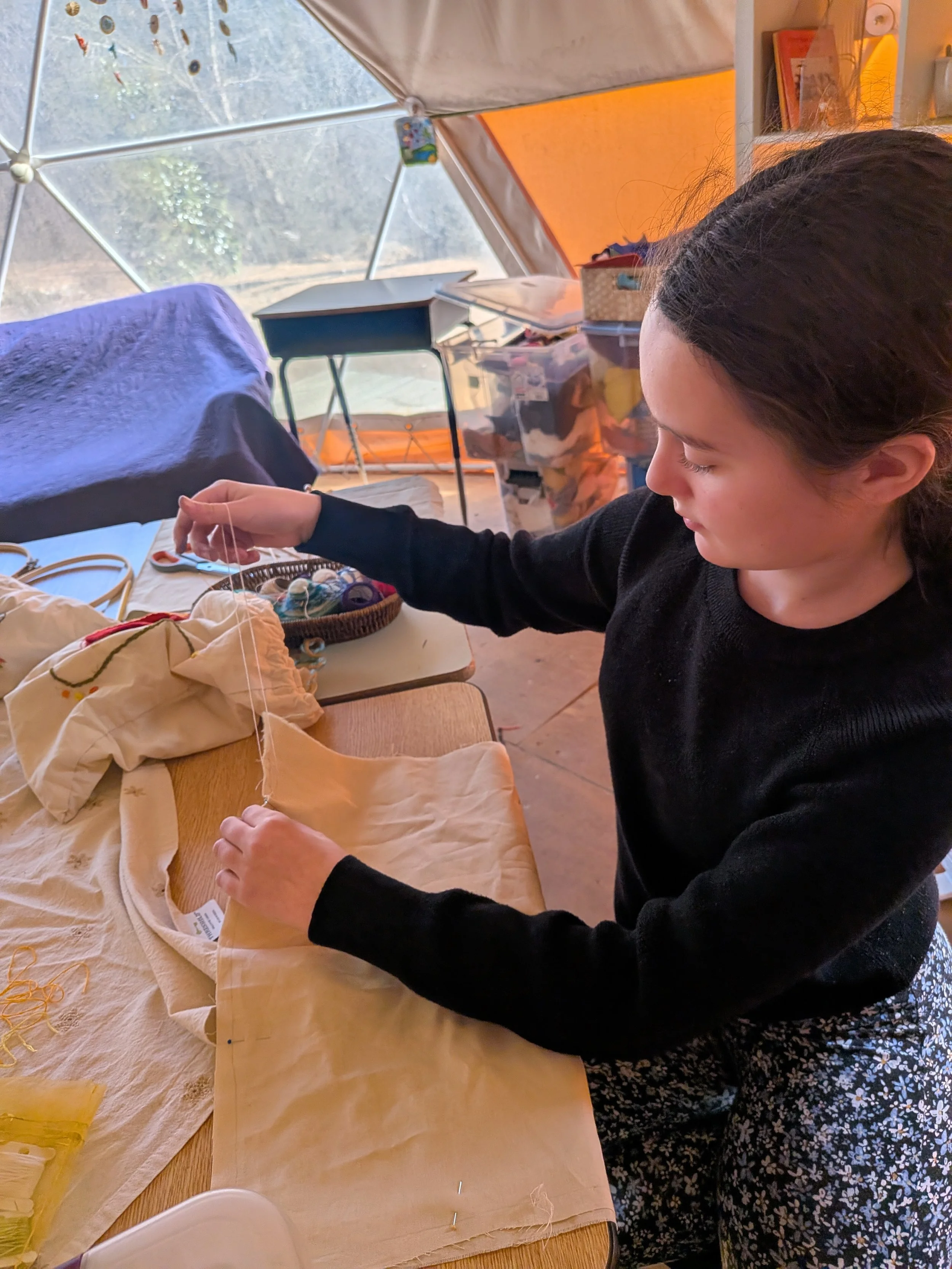
The students have all completed their scissor holders and needle holders and are now working on handwork bags. For these, they will design a monogram or their initials, transfer the design onto their bags, and complete the project by embroidering it.
After finishing the handwork bags, we will begin our cross-stitch projects.
Fifth Grade:
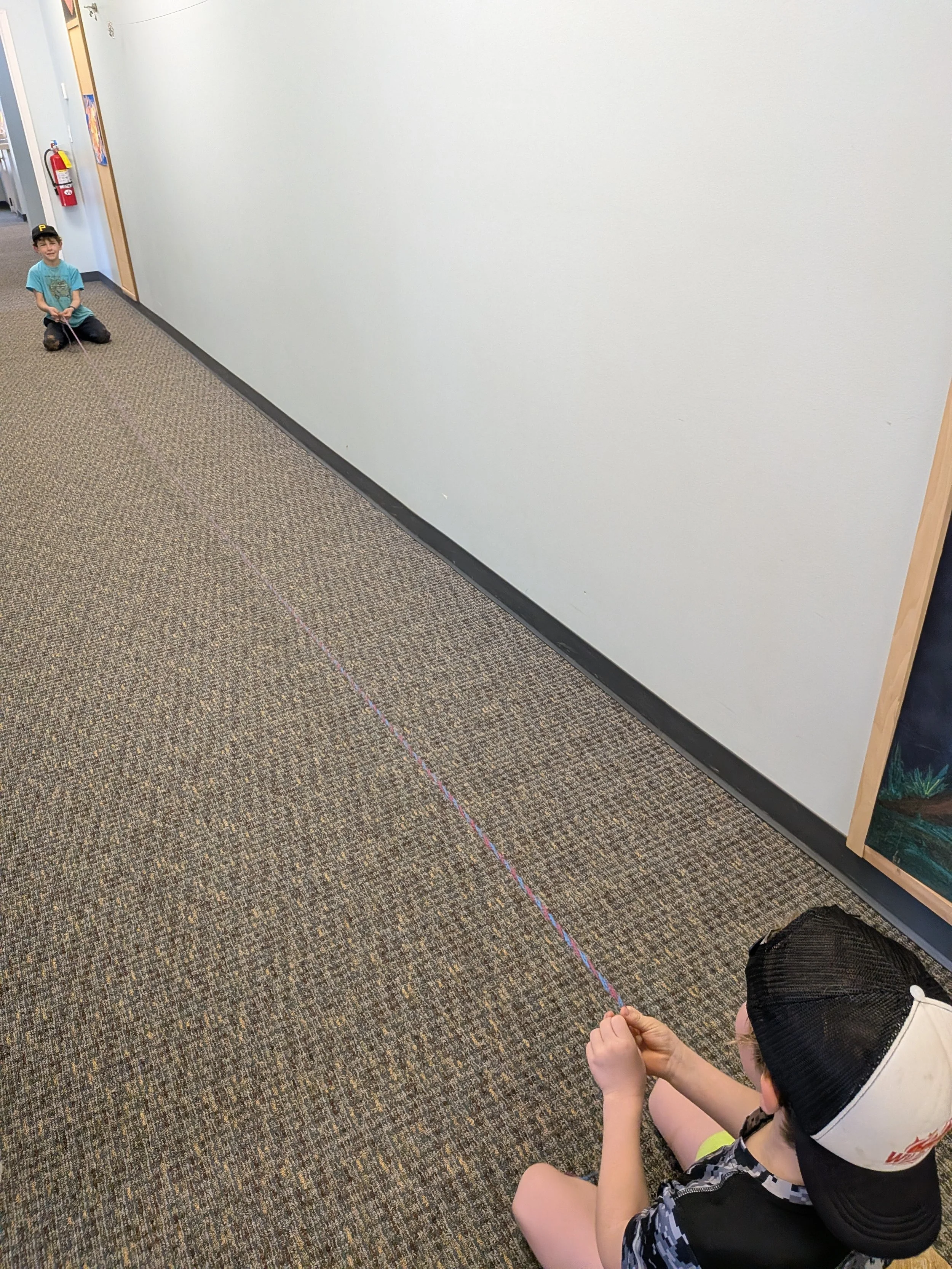
Almost all of the students have finished their mini-me knitting projects! Next, we will move on to fingerless gloves or knitting socks. These projects will continue until the end of the school year, though some students may need extra time to finish them next year.
Sixth and Seventh Grade:
Most students have finished their three-dimensional wet-felting projects. Students made a bag, a hat, or slippers.
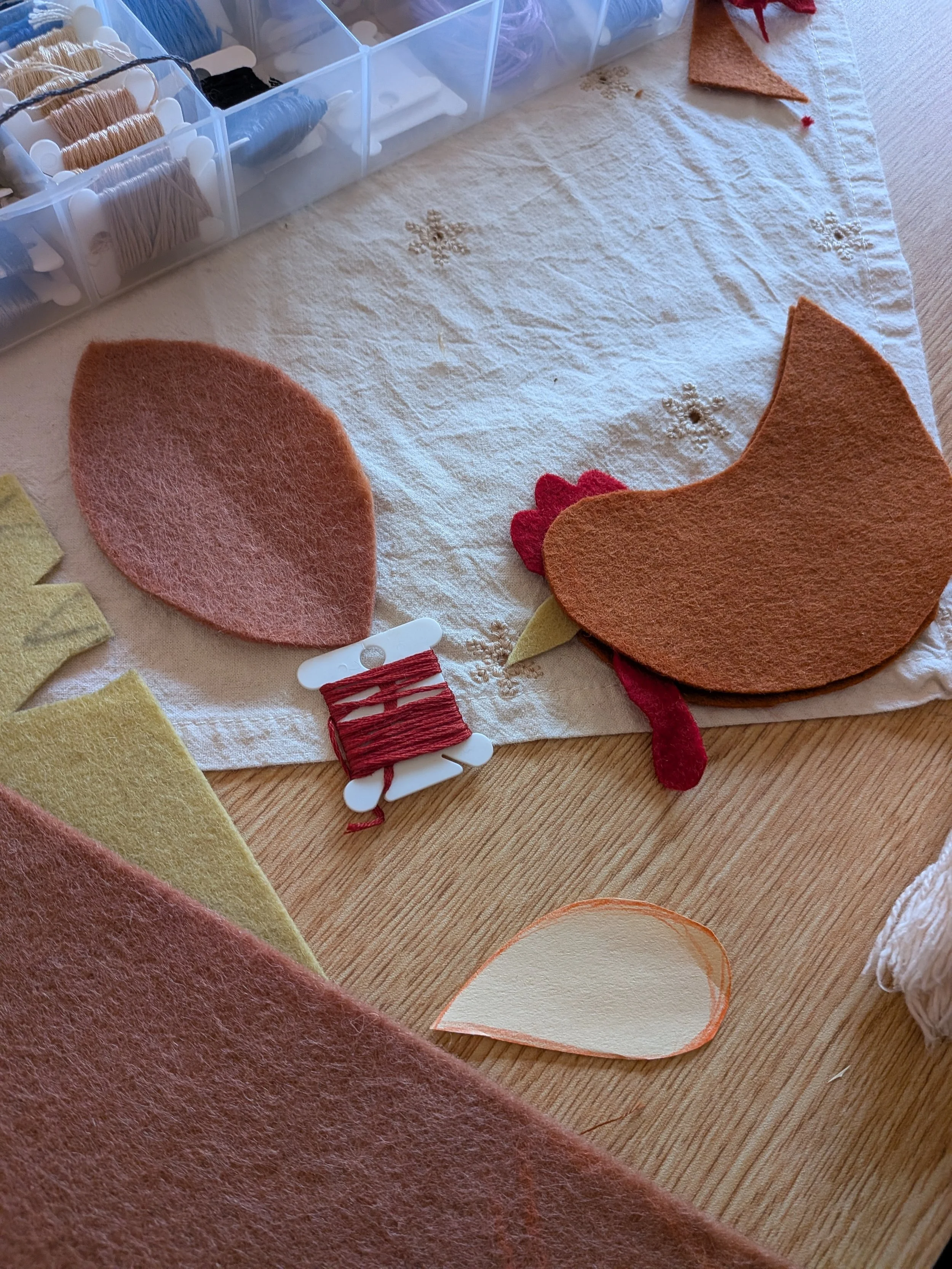
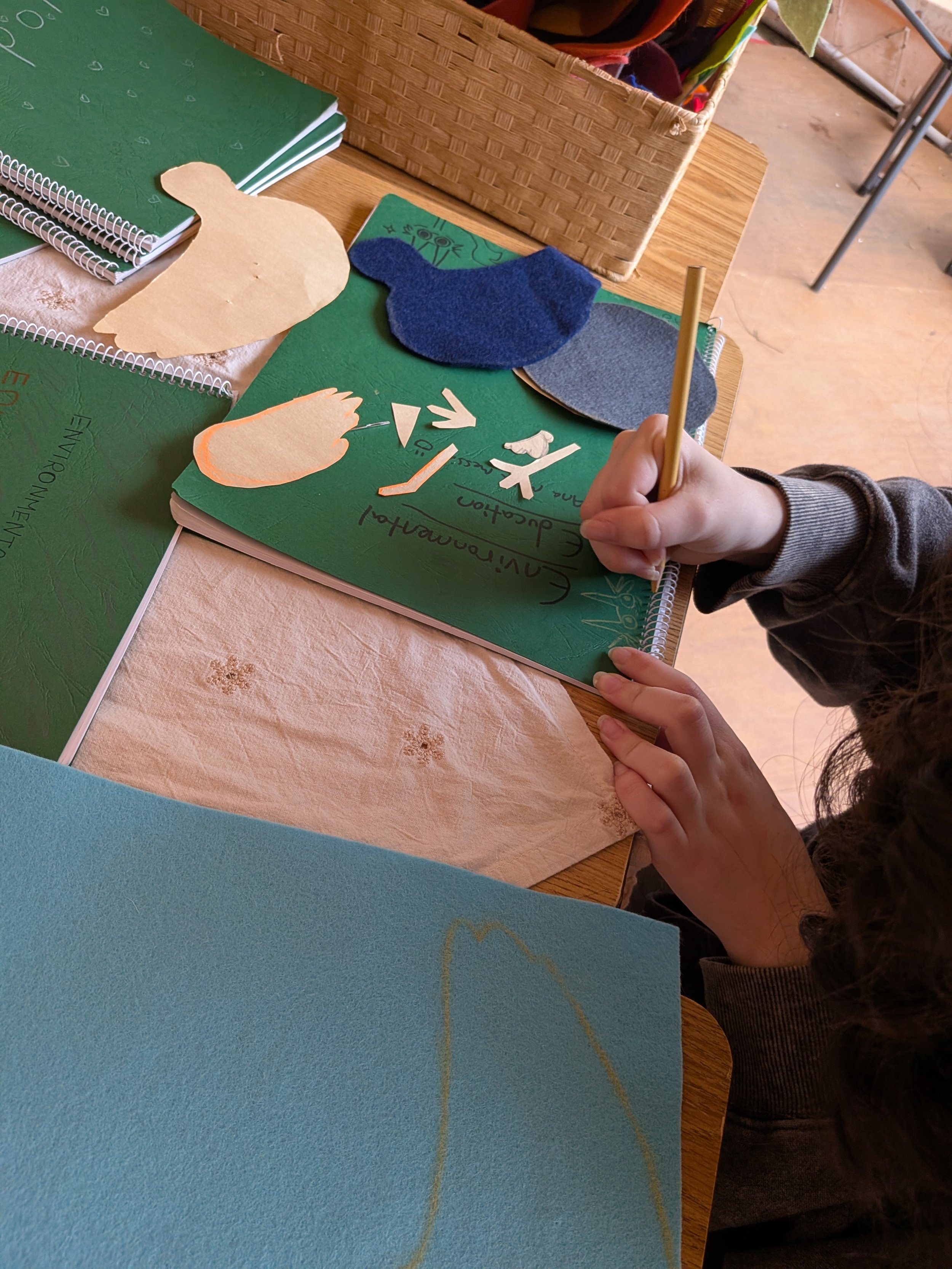
Now we are moving on to constructing and sewing animal patterns. Traditionally, in Waldorf schools, students construct an elephant, but we are fortunate to have a farm where we can study our own animals. We started with chickens. Each student made multiple sketches and began creating their individual chicken pattern.
Next, we will study a goat and a donkey.
It is wonderful to see the whole process—and each student’s unique character—come through in their work.
Eighth Grade:
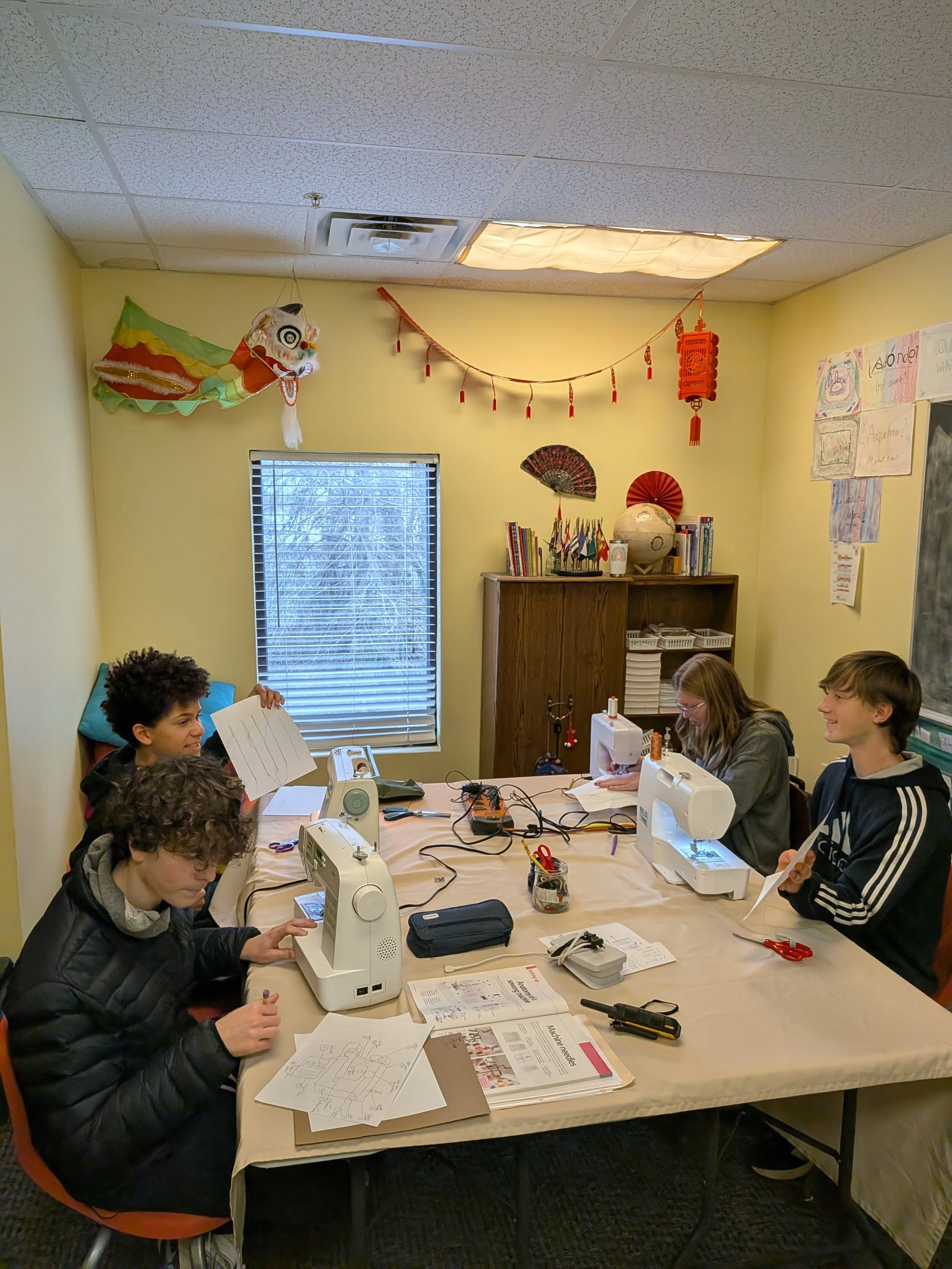
We have begun our sewing machine block, connected to our study of the Industrial Revolution. To start, students took their first handwork quiz. It made a few of them nervous, but it also showed how seriously we take learning to use these machines safely and correctly.
The quiz covered the major parts of the sewing machine and what each part does. We also explored a bit of history on how sewing developed from handwork to machines, and how much that changed everyday life.
Now we are ready to sew. Our main focus is learning to thread the machine properly and to troubleshoot basic issues so students can work independently with confidence.
We will begin by sewing a pin cushion. Next, students will make a handwork bag with their own quilt-square design on the front. We will finish the year by constructing pajama pants.
Students are already becoming more confident each week, and it’s exciting to see their skills grow.