Kindergarten Chickadees: April 13 - 17, 2026
Osiyo, Chickadee Families,
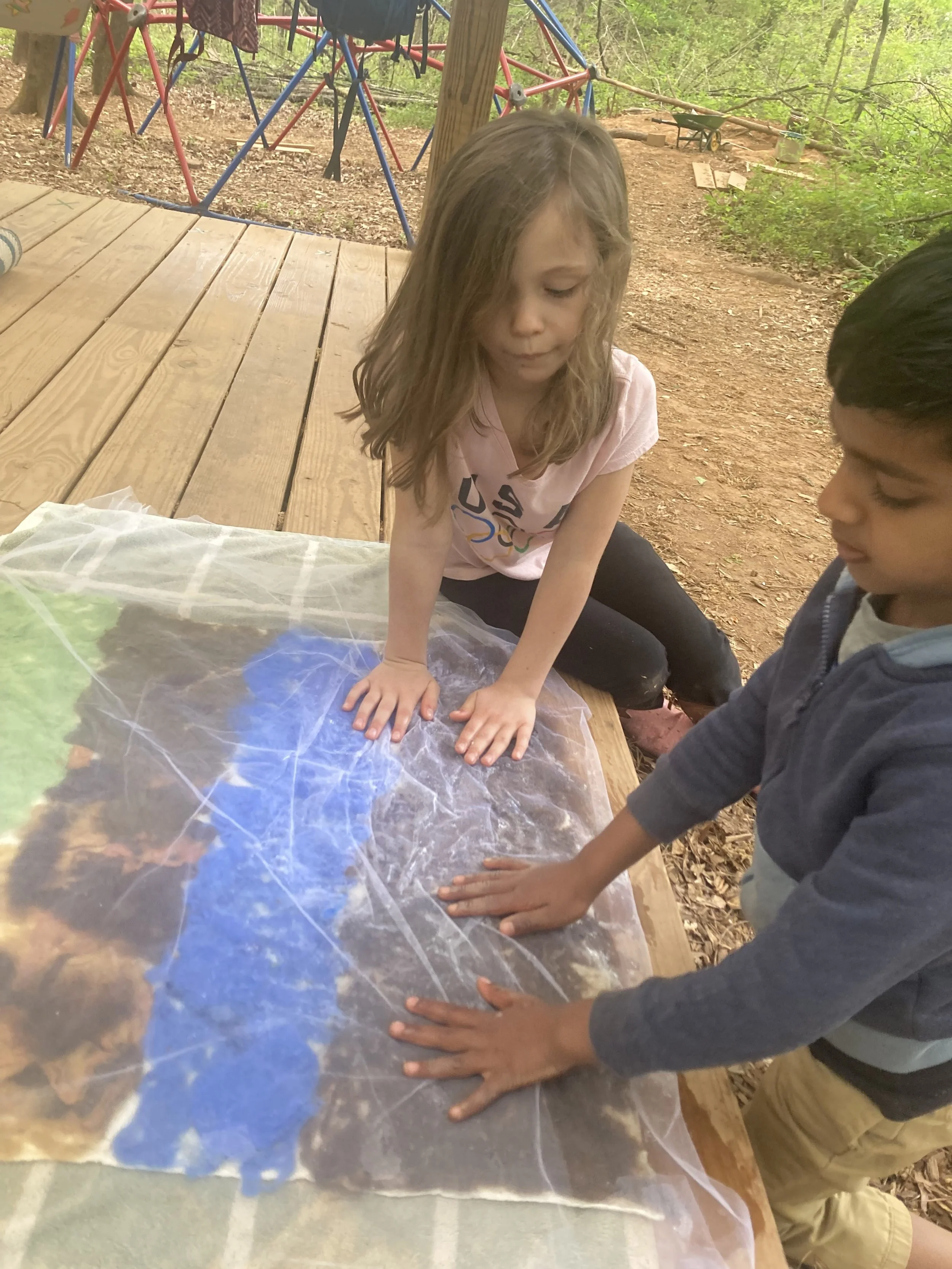
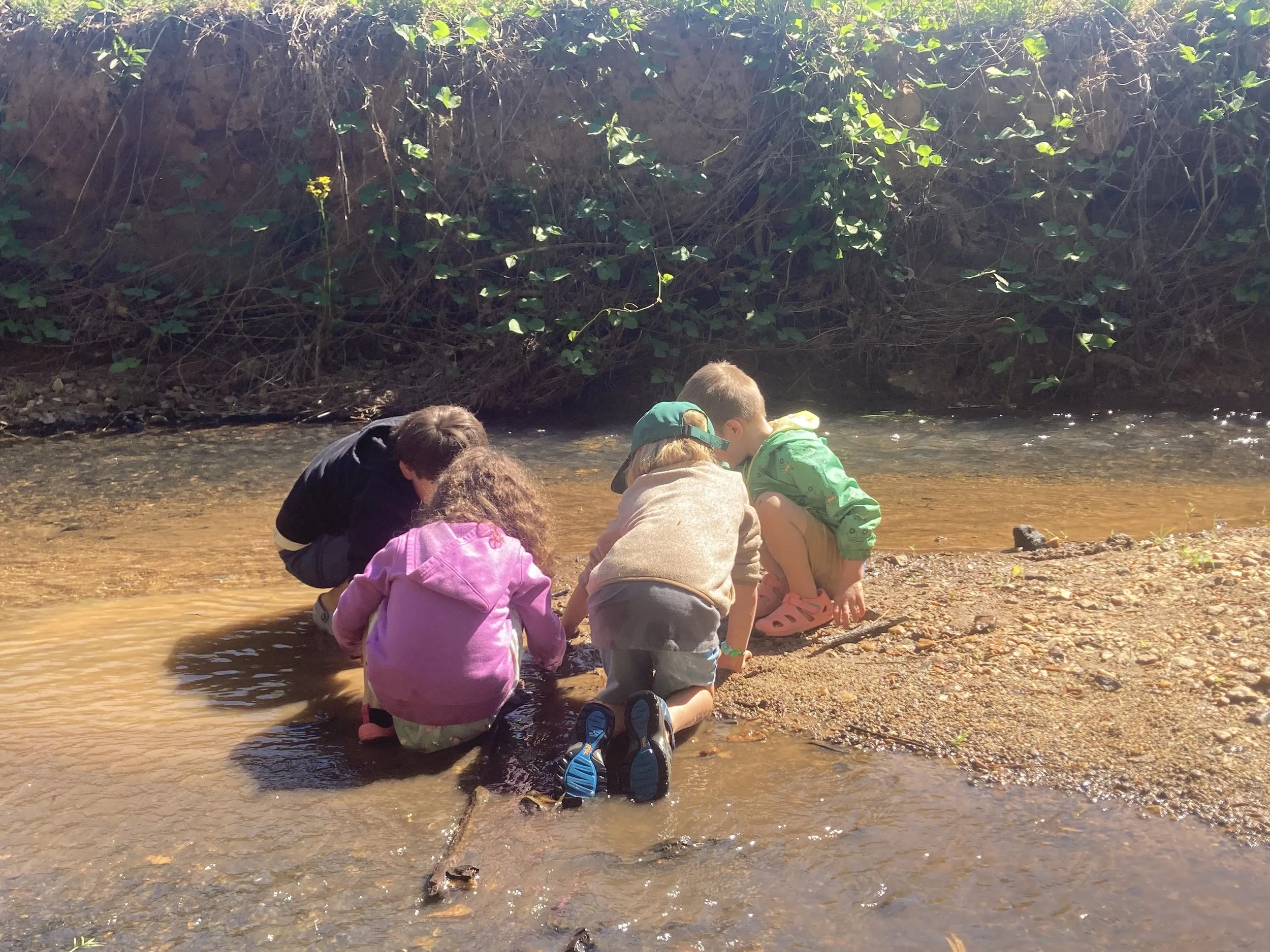
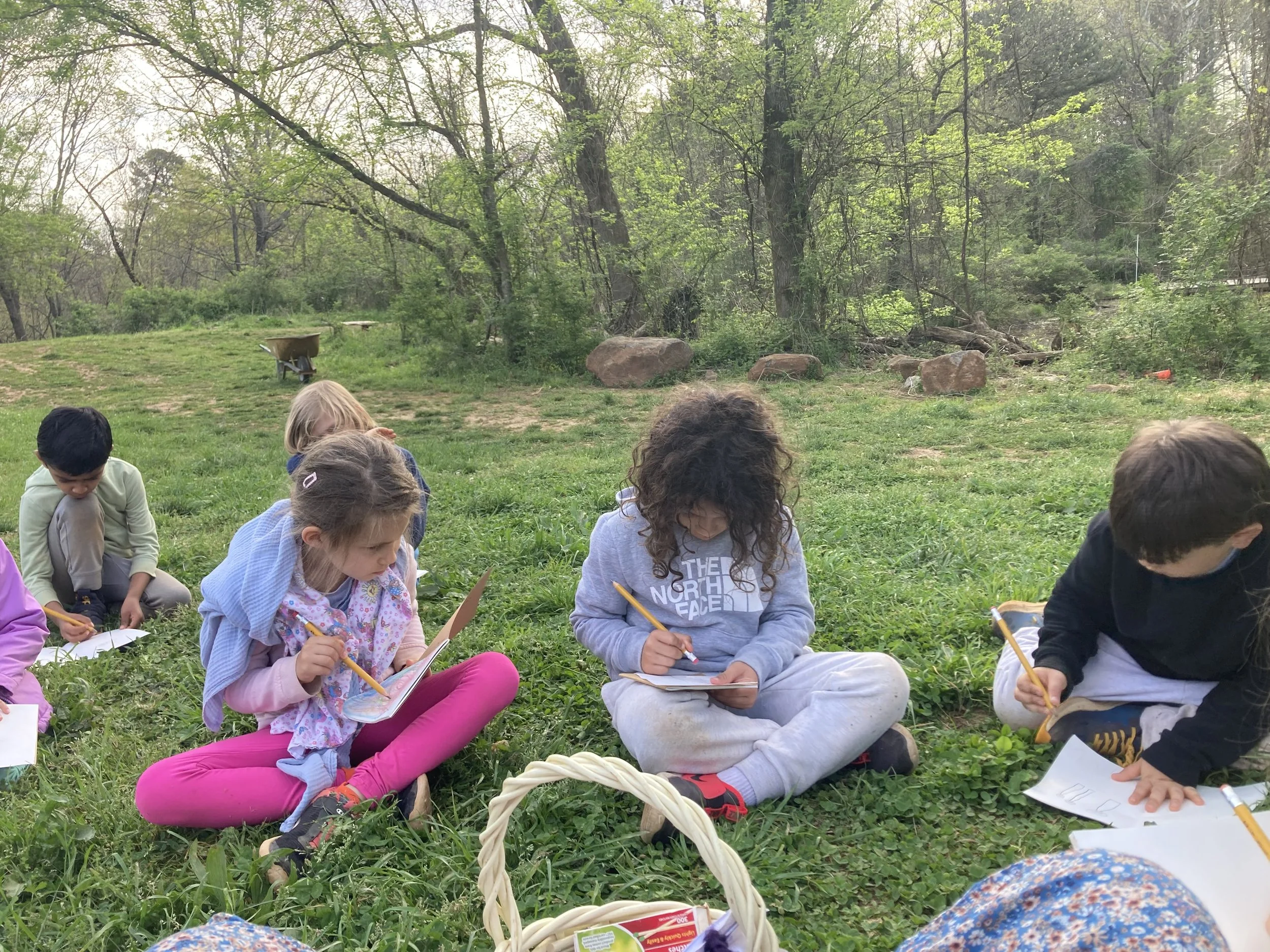
It was wonderful to have everyone back on campus last week! The class has been enjoying the warm temperatures and the other signs of late spring in the forest. On Monday, a student brought a jawbone from a vole to show the class, and on Tuesday, the Golden Knights saw one of the resident river otters swimming and playing in the pond. The children have been learning to identify common birds in the forest and are singing songs about them during morning circle. The class also experienced their first creek visit of the season! Students dug in the sand, waded in the water, experimented with different ways to move the water, and created various consistencies of mud for making structures on the beach.
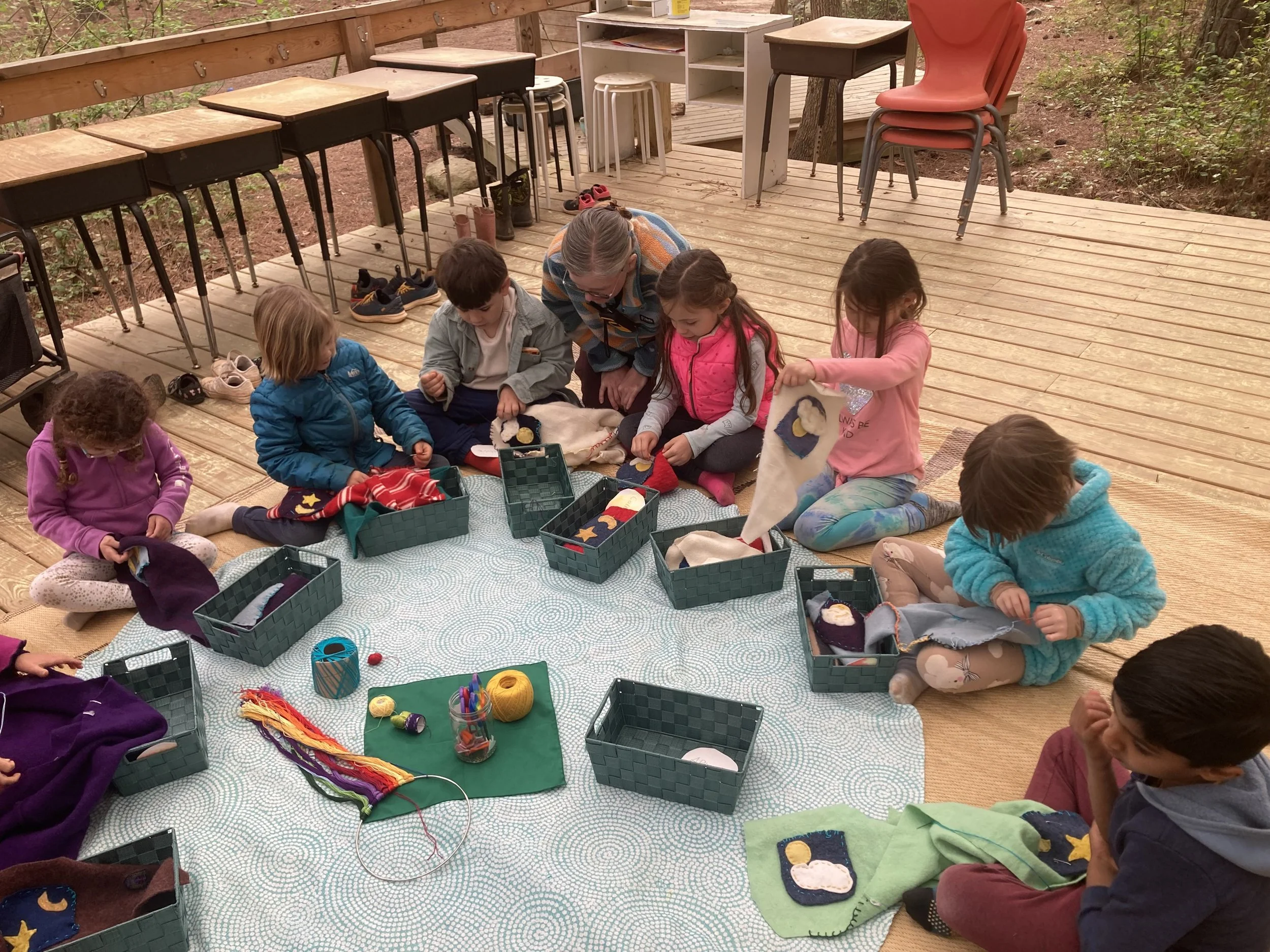
The Chickadee students were deeply interested in our first longer fairy tale, The Arrow Chain, a tale from First Nations people from far northern North America. In The Arrow Chain, a chief’s son’s best friend is taken by the moon after making fun of the way the moon looks. The chief’s son travels to Sky Country and, with the help of some magical gifts bestowed upon him by a grandmother, he rescues his friend. After being chased by the moon, the chief’s son and his friend arrive back at their village, where everyone is amazed by the story they share about their adventure. Ask your child to share with you how the chief’s son made it to Sky Country, and what magical items he used to rescue his friend.
Older kindergarten students typically have the attention span to listen to a longer story with a more complex plot. They find excitement in elements of suspense and magic, and joy in more advanced humor and absurdity. At this stage, students are ready to meet the deeper underlying messages within these stories, taking them in both directly and indirectly, and arriving at their own understanding in a way we trust and honor. Listening to stories told from memory helps young children develop the capacity to create inner pictures as the story is told. Listening and creating pictures uses both sides of the brain, and building this skill allows children to continue to create mental pictures when they learn to read. People who can create and see these pictures of what they read enjoy reading more, making it easier and more rewarding. Studies have shown that watching programs and interacting with technology, such as television, video games, and tablets, hinders this critical picture-building ability in children and can disrupt their reading fluency and comprehension when they begin formal academics.
Announcements & Reminders:
Hope Blooms is this Friday, April 24 at 6:00 PM! We can’t wait to see parents and guests there (adults only, please). This is an important evening for our school and a chance to come together as a community. Join us for dinner, drinks, music, and our live paddle raise for class projects (in person only). Tickets are still available and needed to participate in bidding both in person and online.
Please remember to return your child’s wet bag with a new change of clothing. This should be a FULL change of clothes (pants, shirt, underwear, and socks). Please check your child’s backpack each day for clothing that needs to be washed and replaced, especially now that they will be spending more time at the creek.
April 28 - 30: Grades 4-6 Waldorf Southeast Pentathlon
May 7: Eighth Grade Project Presentations, 2:35 pm
May 15: Grades Spring Assembly 9:15 am (All families welcome!)
Gyvalieliga,
Ki Holly